Narni, Umbria
Overview
Discover Narni: Private Tours, Experiences & Custom Travel
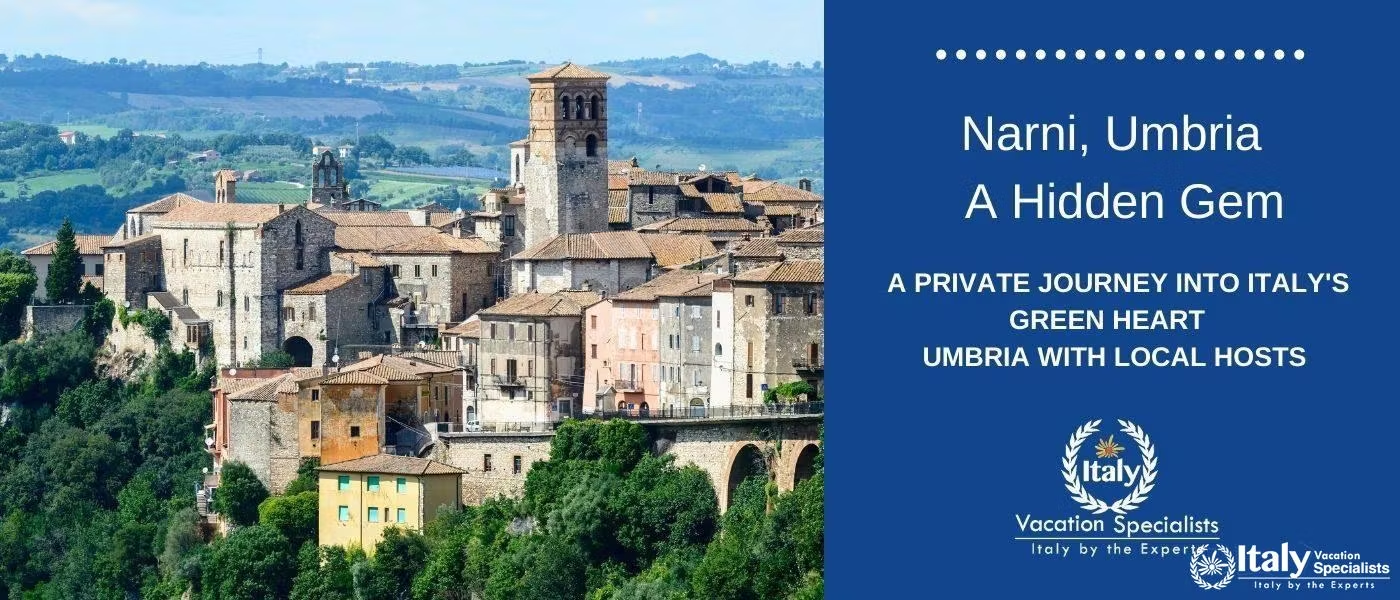
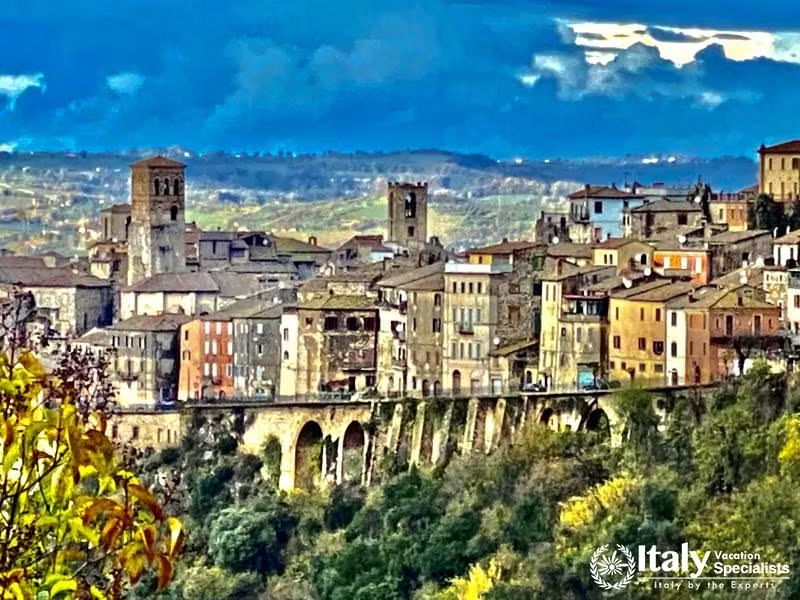
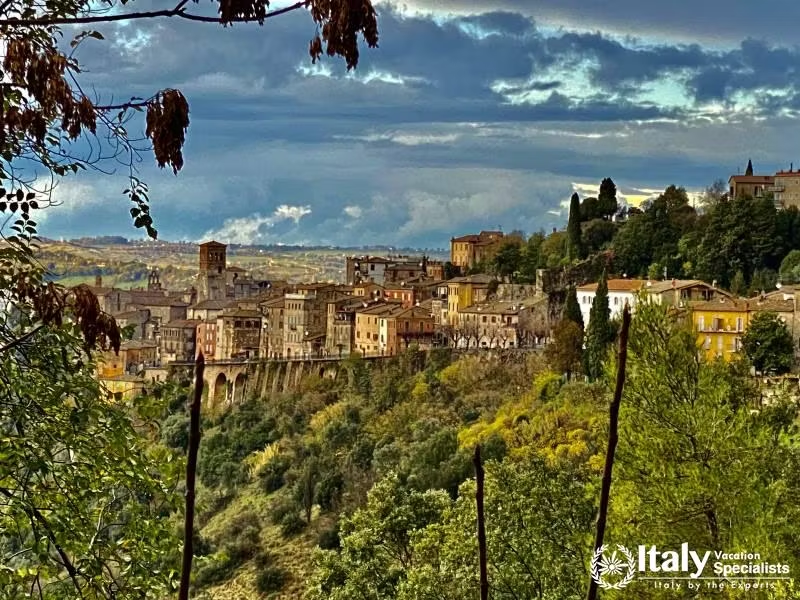
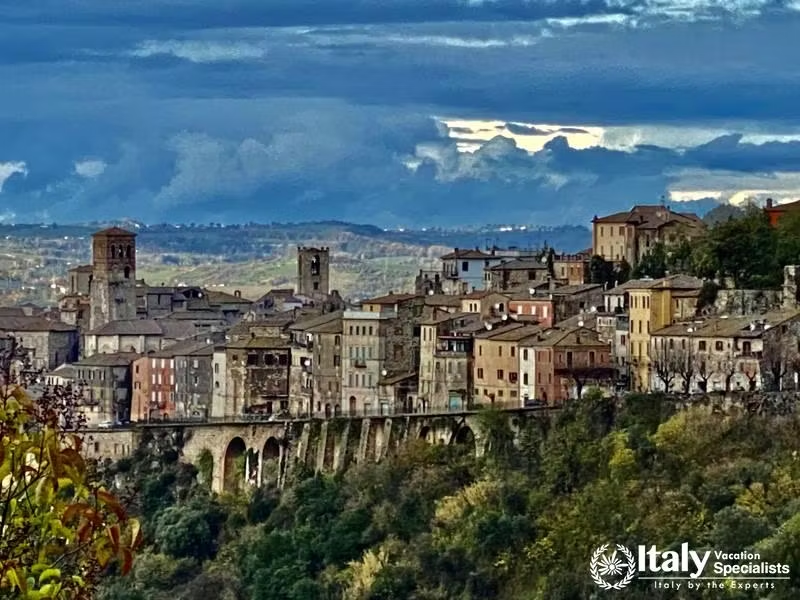
Narni sits on a high outcrop of rock and hangs improbably over a spectacular gorge of the Nera River, running black and green, in southern Umbria. Above the town stands a formidable medieval castle, Il Rocca, built in the Pope's name by the fierce Spanish Cardinal, Albornoz, in the 14th Century. It is purportedly the geographical center of Italy.
The centro storico and immediate vicinity have the ancient medieval charm familiar to other Umbrian hill towns, but the surrounding area, in the Tiber and Nera valleys, particularly toward Terni, is heavily industrialized and not pleasing to the eye of most travelers.
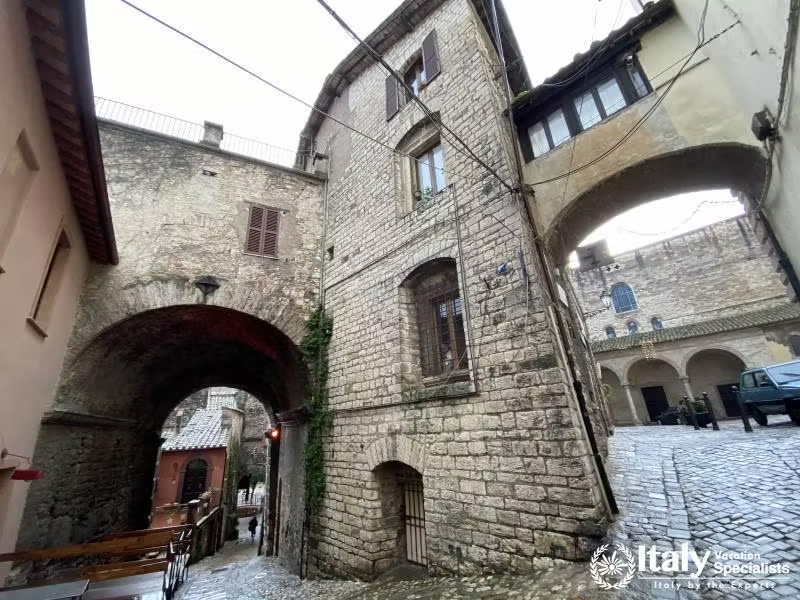
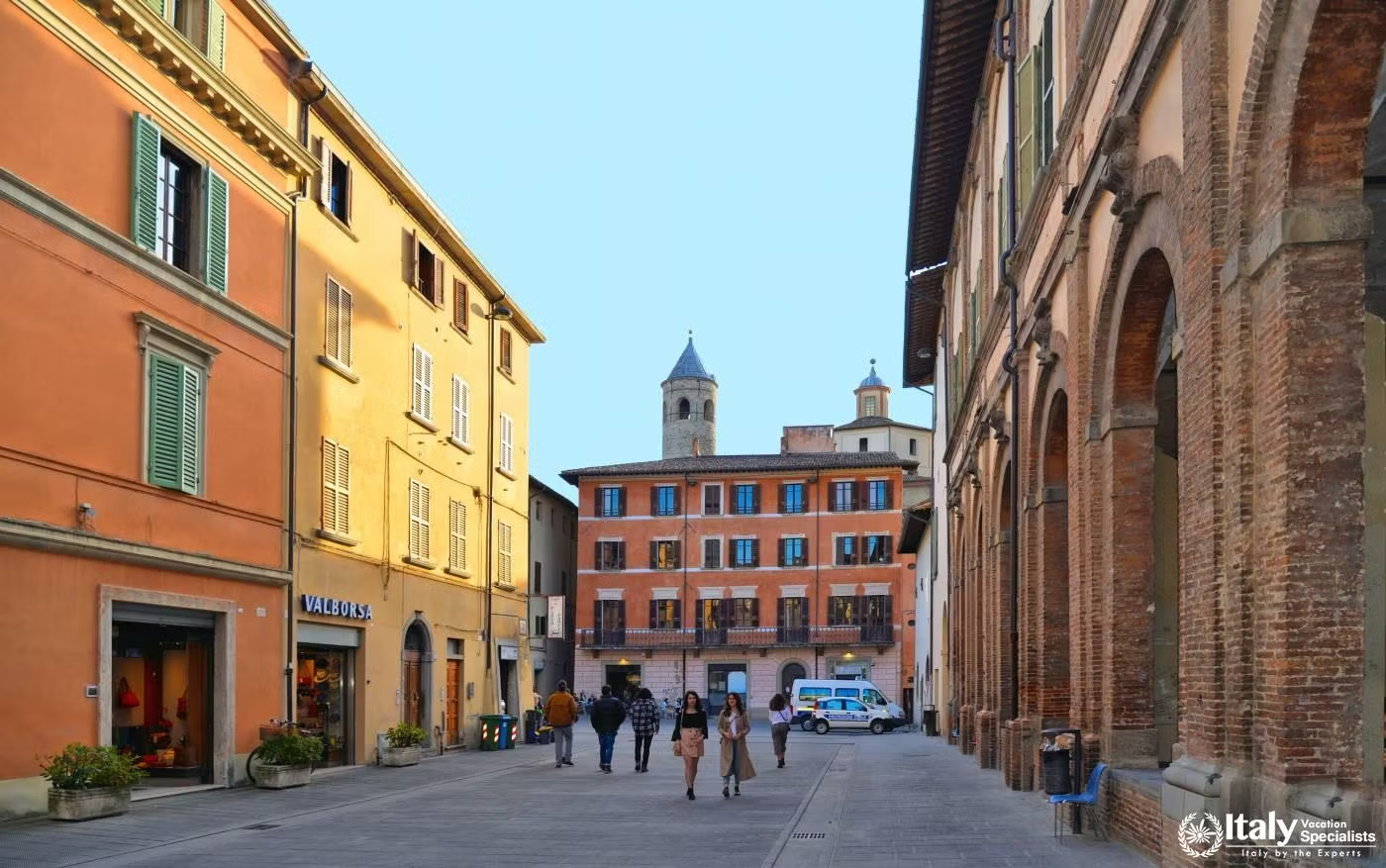
In the old town you will find the expected piazzas, public buildings and churches, and of course, a maze of medieval streets crowded with the houses of the poor, and not a few handsome villas and the usual palaces of the long dead well-to-do.
The Romanesque Duomo, San Giovenale, with its Gothic apse and its Renaissance era portico, sitting hard against the city walls, was built on the first Bishop's grave in the 12th Century It is unremarkable architecturally and artistically, however, it has a wide set of stairs that lead down to a wide piazza, and it is on these stairs and in this piazza that the townspeople and visitors use as a communal gathering place.
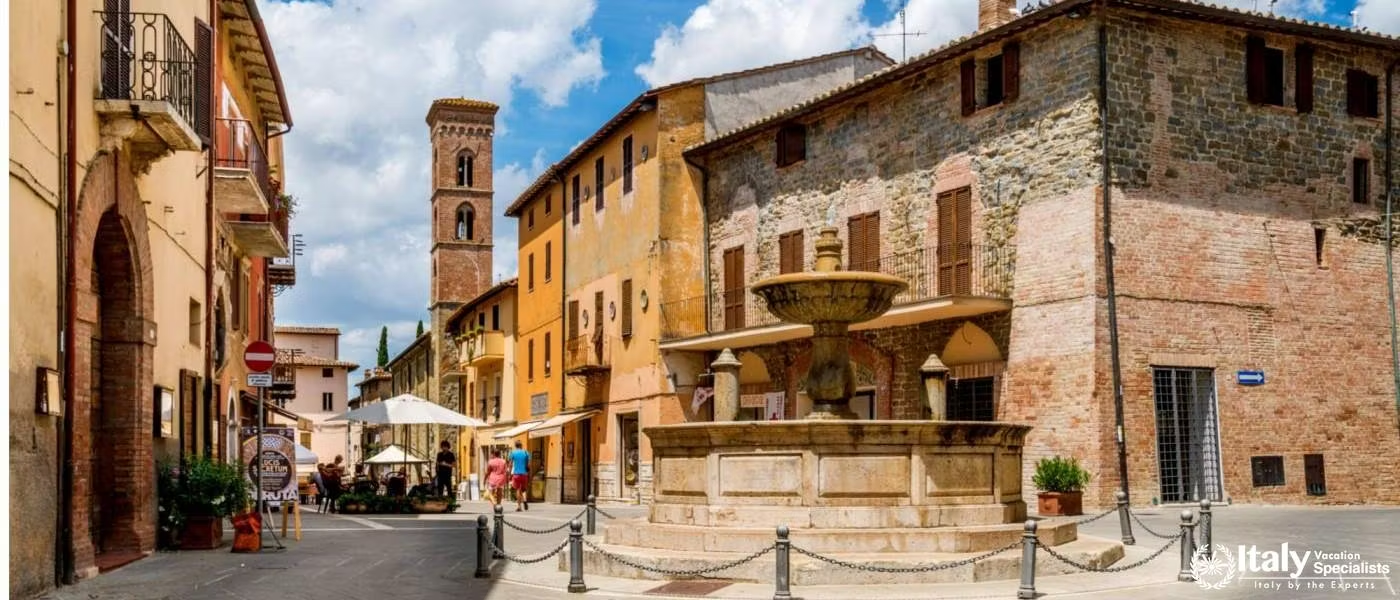
What is supposed to be the principal piazza in Narni, is the Piazza dei Priori fronted on one side by the Palazzo del Priori, with a small fountain in front and a loggia designed by the architect Gattapone from Gubbio. and on the other by the Palazzo del Podesta. The latter, which contains a small picture gallery on its first floor, the Pinacoteca, is an awkward co-joining of three houses. Look for the 13th century Romanesque statuary above the main door. The only painting of note in the gallery is a precious painting by Ghirlandaio.
Chiesa di San Francesco was built just after the Saint's death in 1226 on the site of a place where he had lived at one time. Like the Duomo there is a mixture of Romanesque, Gothic and Renaissance styles. The frescos were largely done in the late 14th and 15th centuries.
The Chiesa San Agostino was started in the 12th Century and finished in the 14th. It has a bare facade with a bull-shaped portal - a motif repeated in other decorations around windows and doorframes. It has a cross-shaped apse with some good cross vaulting. Above the central nave look for an imposing oval with a painting of Augustine's victory over heresy. The altar is a particularly good example of 14th century stonework.
The old church of San Domenica has now been de-sanctified and has become home to a new and better gallery on via Mazzini. Here you will find works by Benozzo Gozzoli and Fiorenzo di Lorenzo. The gallery-museum also houses numerous fresco cycles done in the 15th and 16th centuries that have been recovered from village churches in the area.
On your way to San Domenica you will find a lovely little church built on the slope of the town where a Roman temple once stood called Chiesa Santa Maria Inpensole, with a wonderful carved frieze, looking much the same, apart from the expected deterioration, as it did when it was built in 1175. Below the church is a crypt stacked with human bones.
Narni has an interesting "below ground" set of monuments too in the form of a Roman aqueduct called the Formina (accessible with special permission through tunnels just outside the town), and Roman cisterns, two of which are below Santa Maria Impesole. Below Chiesa San Dominic there is also a prison cell, which housed the unfortunate prisoners of the Inquisition.
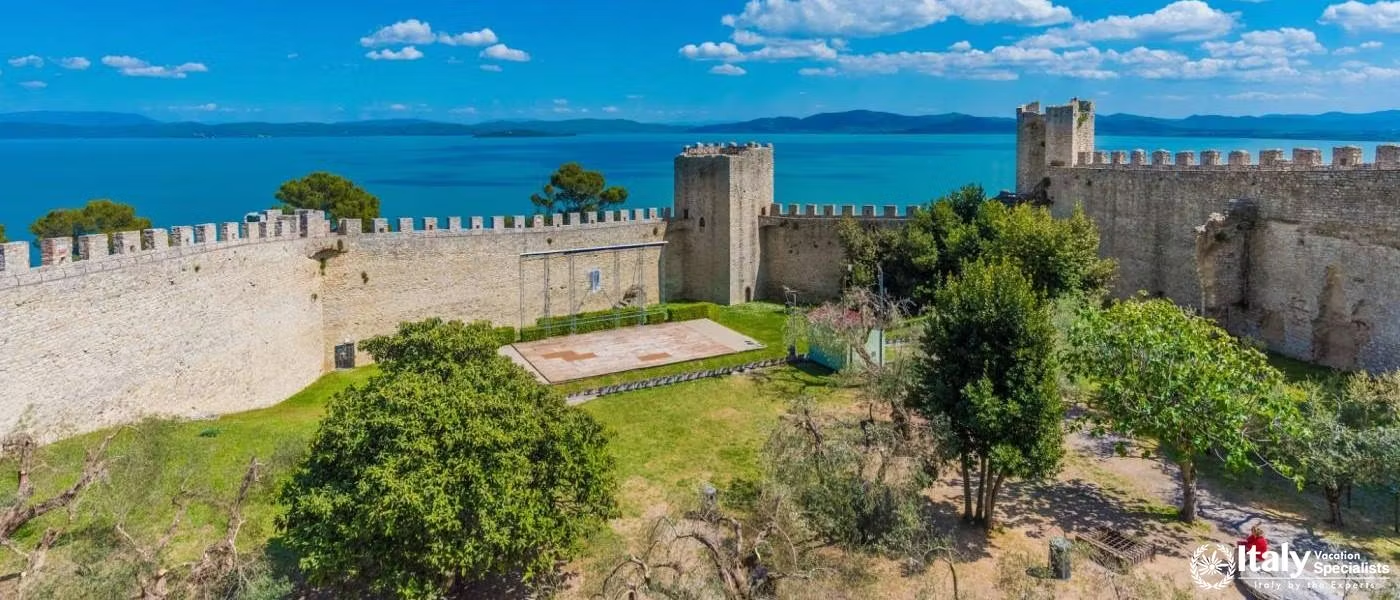
The Albernoz castle above the town, Il Rocca, which was built between 1360 and 1378 has been renovated and recently re-opened. The climb up, though arduous, Il Rocca, pays-off because the architectural surroundings, inside and out, and the collection of artifacts and art works are in a sense, other-worldly, allowing the imaginative to step back in time. The views of the valleys below are stunning.
In 27 BC, the Romans busy constructing the Via Flaminia, between Rome and the northern Adriatic coast, built a massive bridge, probably with four arches, 160 meters wide standing 30 meters high. It is now an imposing, broken, sulking ruin, over the Nera.
Also outside of Narni, about 14 kilometers away, is the Grotto of St. Francis, a cave where the Francis often came to pray and rest. The small complex includes a 13th Century oratory decorated with frescos, a refrectory built in the 14th Century and a 15th century cloister.
As to Narni's history, we can tell you it is long and complicated. The condensed version goes something like this:
Neolithic Umbri tribes inhabited the area first. The Roman historian, Livy, mentions a town called Nequinum, that dated back to 600 BC on the present site of Narni. But, by 299 BC, it was held by Rome who colonized it with Latins. Unhappy with the refusal of the city to provide troops and treasure for its war against Carthage, in 209 BC Rome put Narni to the sword and burned it to the ground.
Narni's history after the fall of Rome is a complicated one. Suffice it to say, it suffered at the hands of the usual suspects: the Goths under Totila, the Longobards, the Byzantines, the Austrians under Frederick II, and the French under Napoleon. For the last 1000 years before the advent of the modern state of Italy, in 1860, along with most of Umbria, the city was firmly within the territory of the Papal States and mostly - but not always - under the control of the Holy See. Narni has been built, destroyed and rebuilt on at least a dozen occasions...the price it paid for being strategically located on the via Flaminia.
Narni in pictures
Gallery
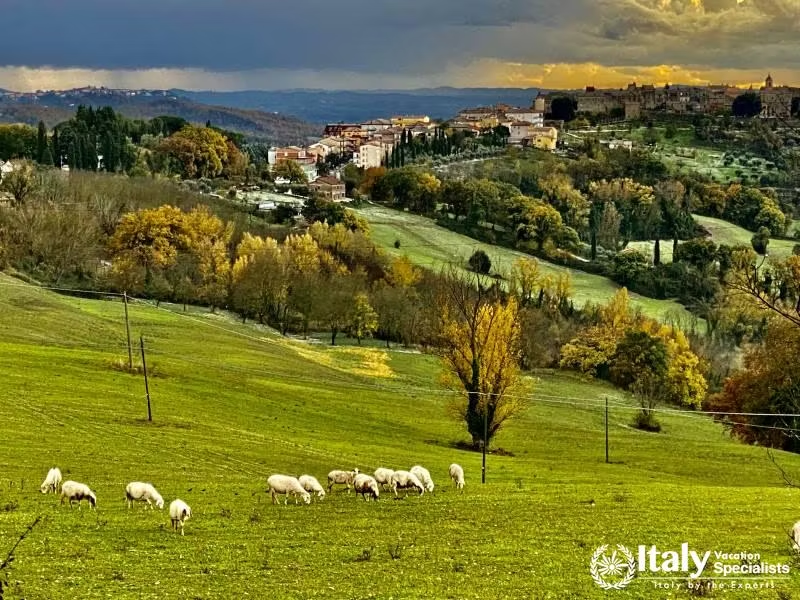
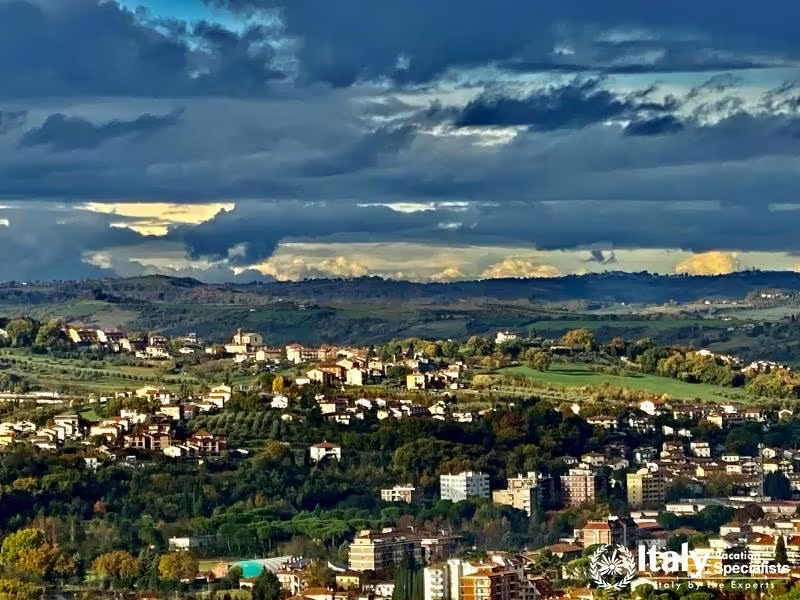
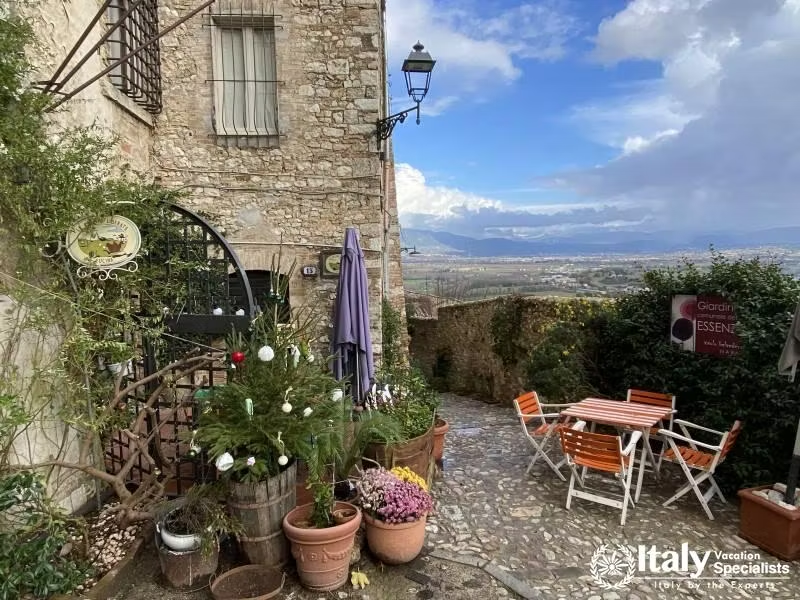
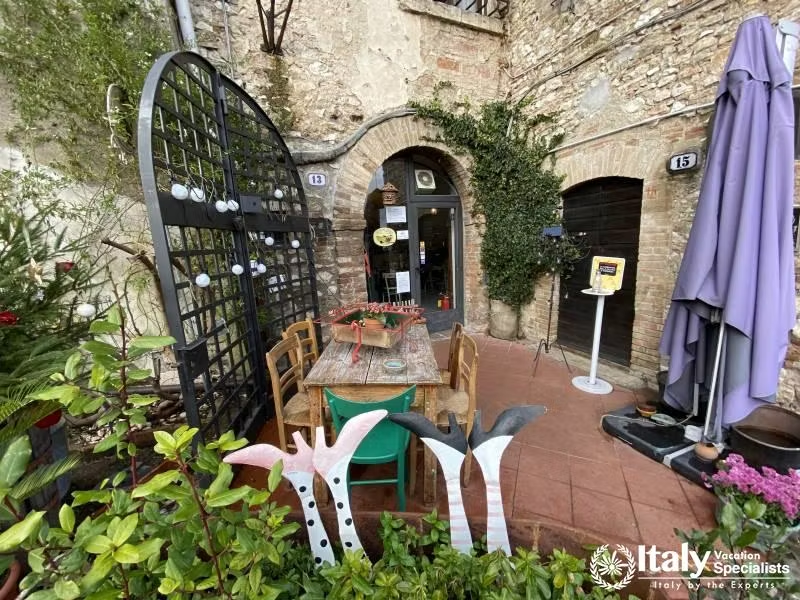
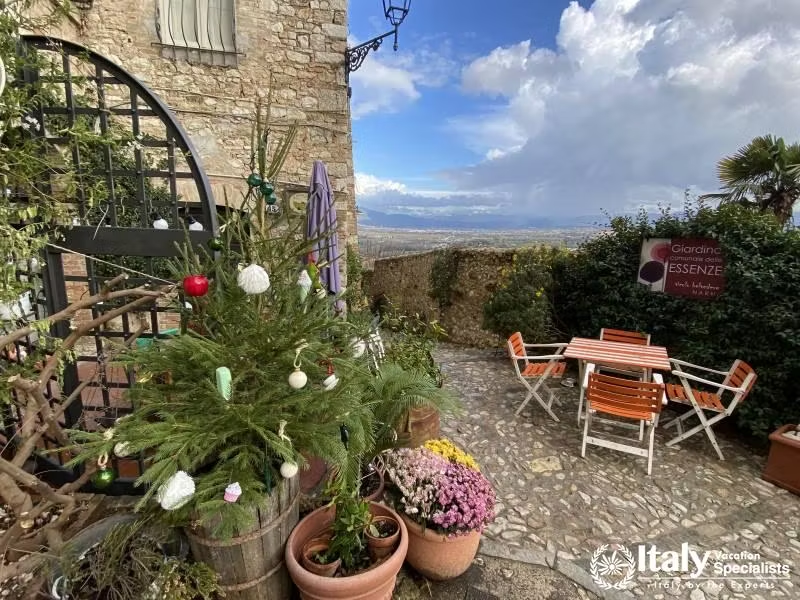
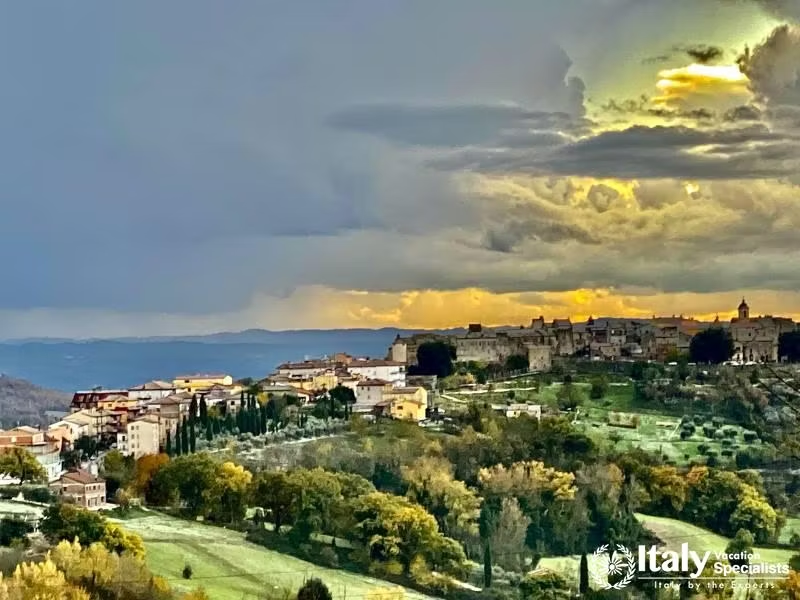
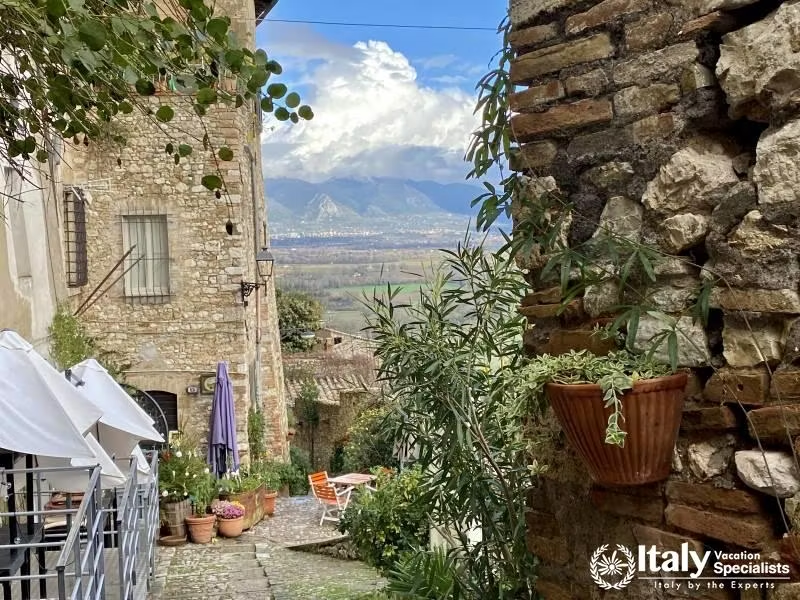
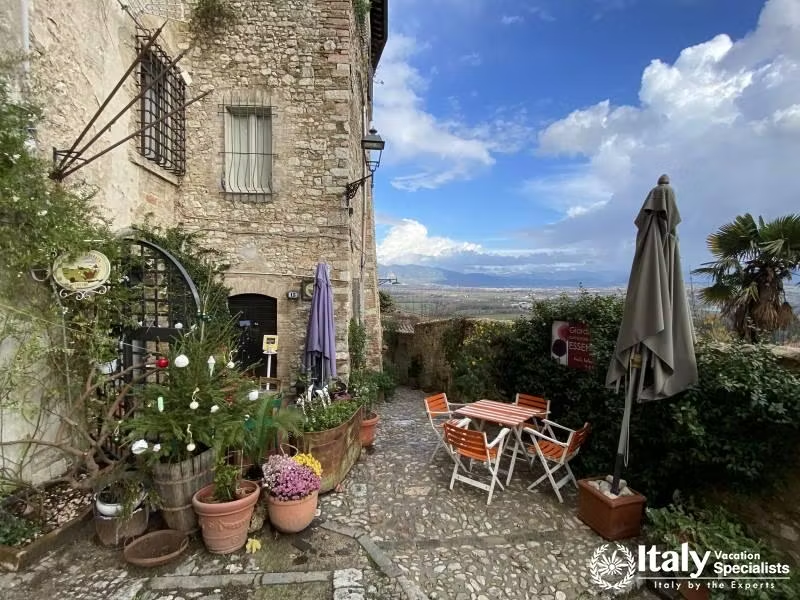
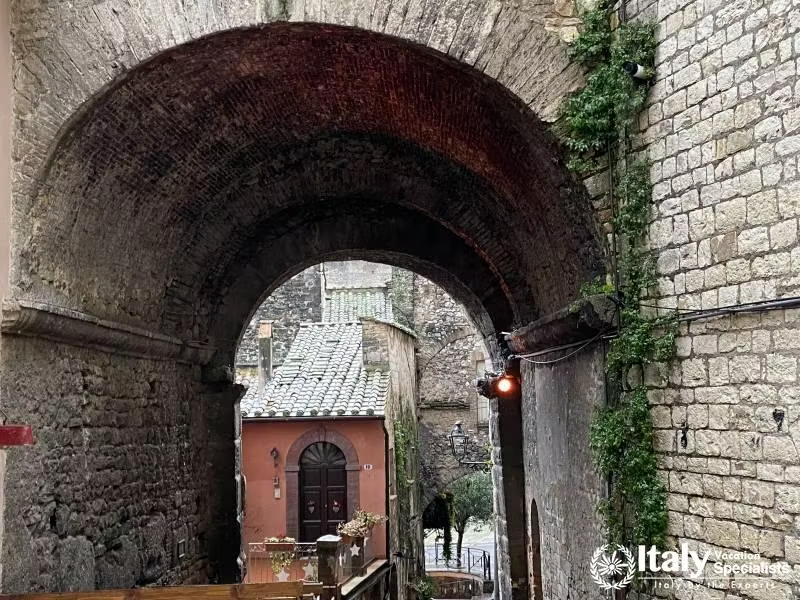
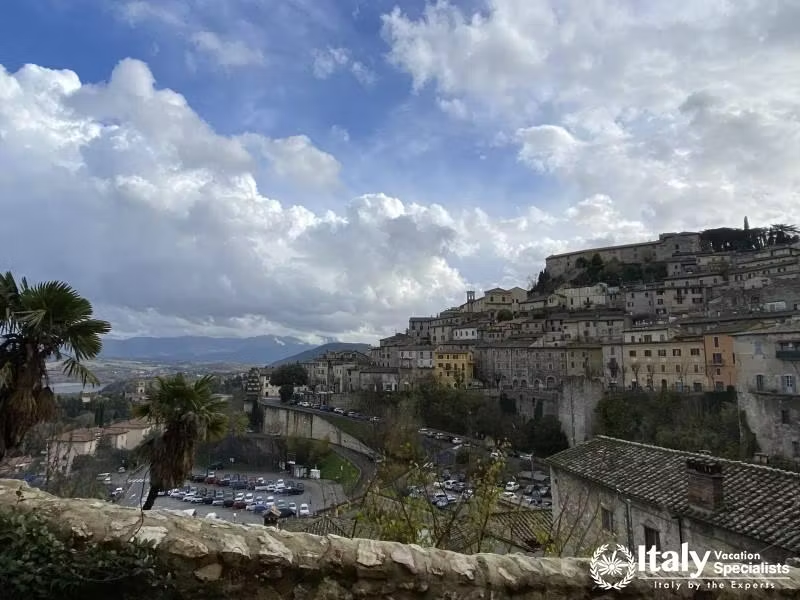
A few frames from our own trips. The rest are in the gallery below.
Map
Get your bearings before you go
Photo Gallery
Explore Towns and Cities in Umbria
Every town here has its own personality. We know them by name.
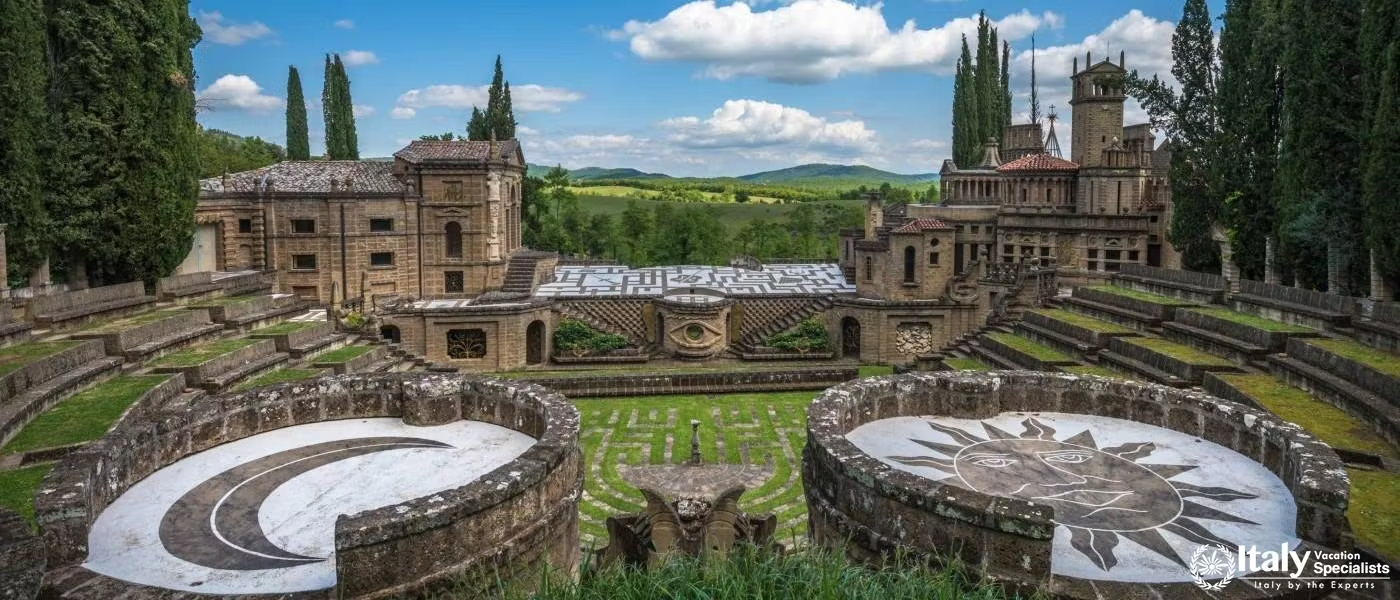
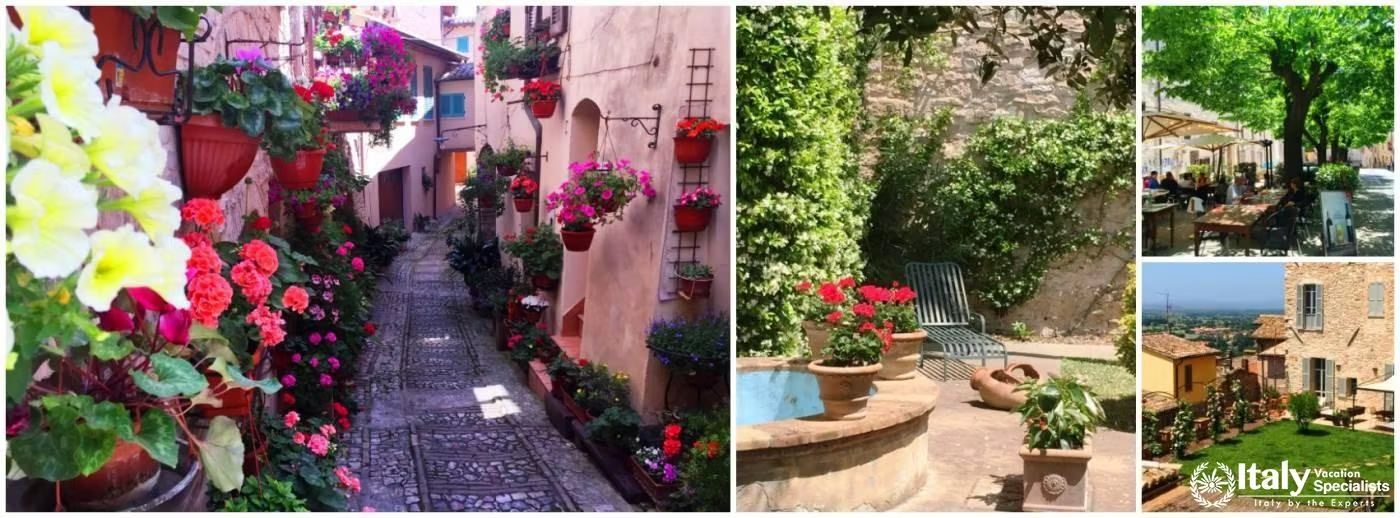
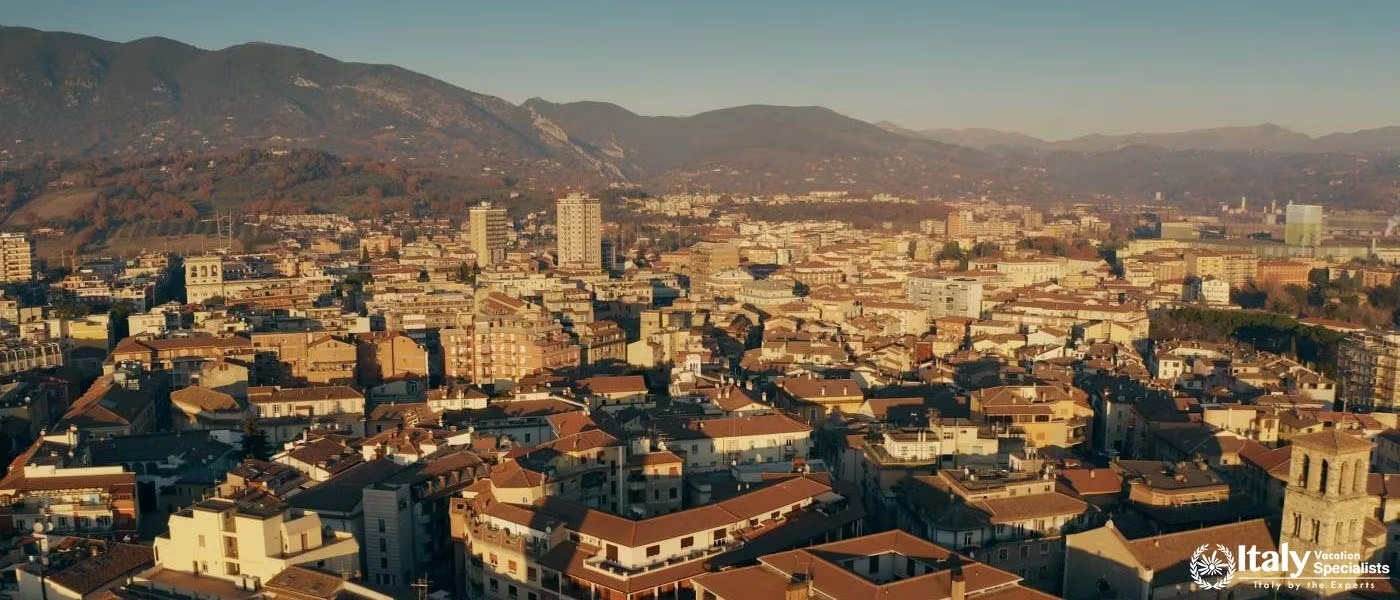
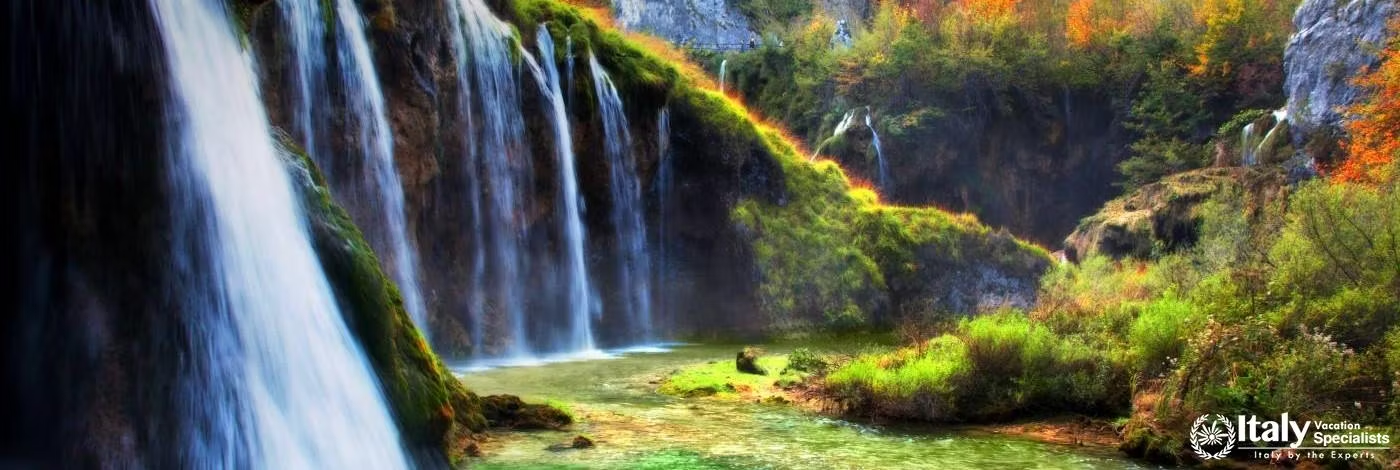
Our Featured Properties
Stays we picked one by one
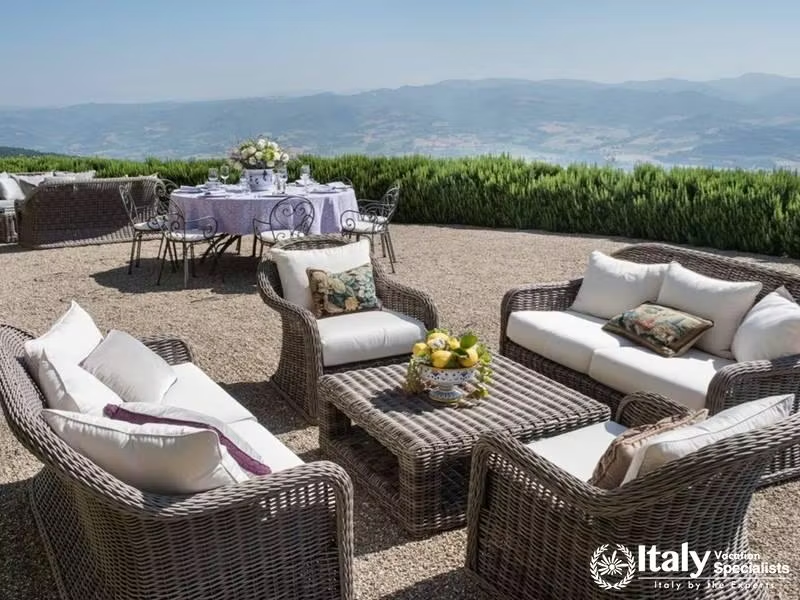 Italy,Umbria,Perugia
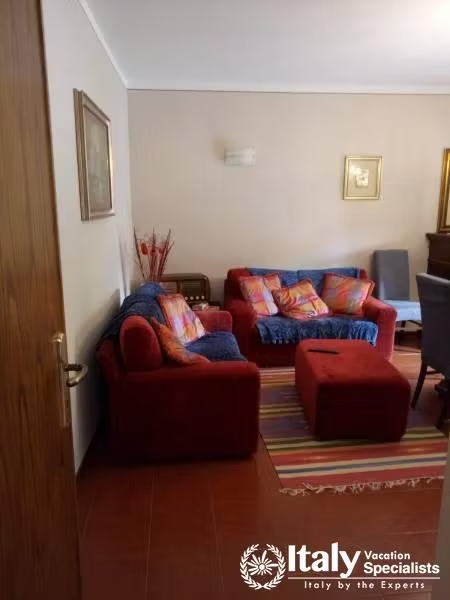 Italy,Umbria,Orvieto
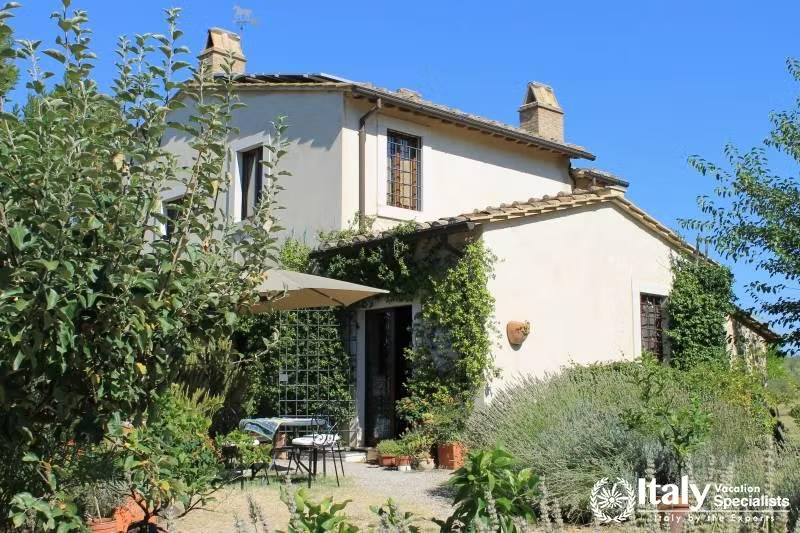 Italy,Umbria
Villa Guardea - A Private Villa Option - Wonderful for Families and Friends in Umbria, Italy
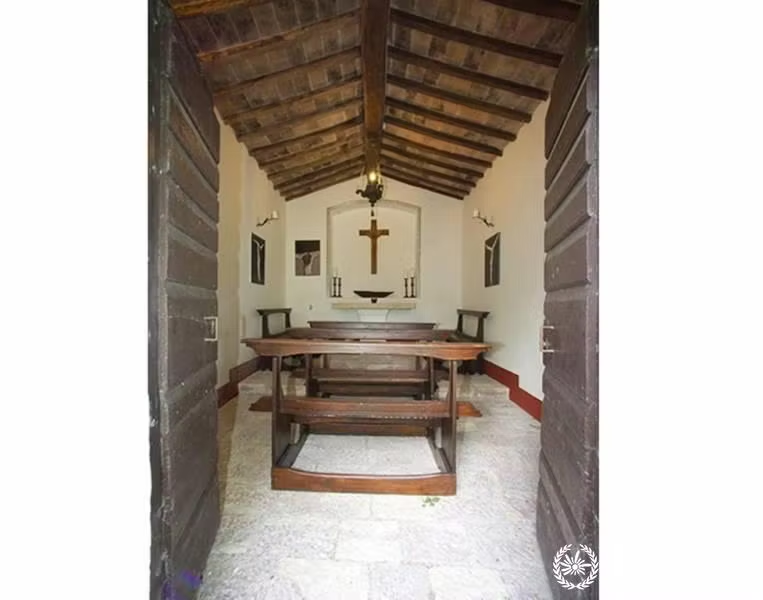 Italy,Umbria,Todi
Popular Transfer Routes in Narni
The rides our guests ask for most, with a driver who knows the way.
Italy Vacation Specialists provides licensed private transfer services throughout Italy, including Narni and surrounding areas. With over 20 years of experience, our professional English-speaking drivers offer both Business Class and Luxury Class vehicles for airport transfers, city-to-city rides, and full-day chauffeur services. All vehicles are fully insured, well-maintained, and operated by vetted local drivers who know the roads, traffic patterns, and best routes across the region.
Every journey is different. Tell us where you need to go.
Request a Transfer QuoteQuick Enquiry Form
Tell us about your dream trip and we'll craft the perfect itinerary for you.
In their words
Stories That Stay With You
Here's what our guests share about their unforgettable journeys
From the journal
IVS Magazine
 Latest
8 June 2026
Latest
8 June 2026
Visiting Rome During a Heat Wave? Read This Before You Go
Read the piece


Plan it with us
For customized holidays and expert advice for travel in Italy and the Mediterranean, Get in touch with your travel agent or contact us via our.
-
Direct In Italy: +39 375 823 5314
-
Toll Free: 1-866-779-2565