Overview
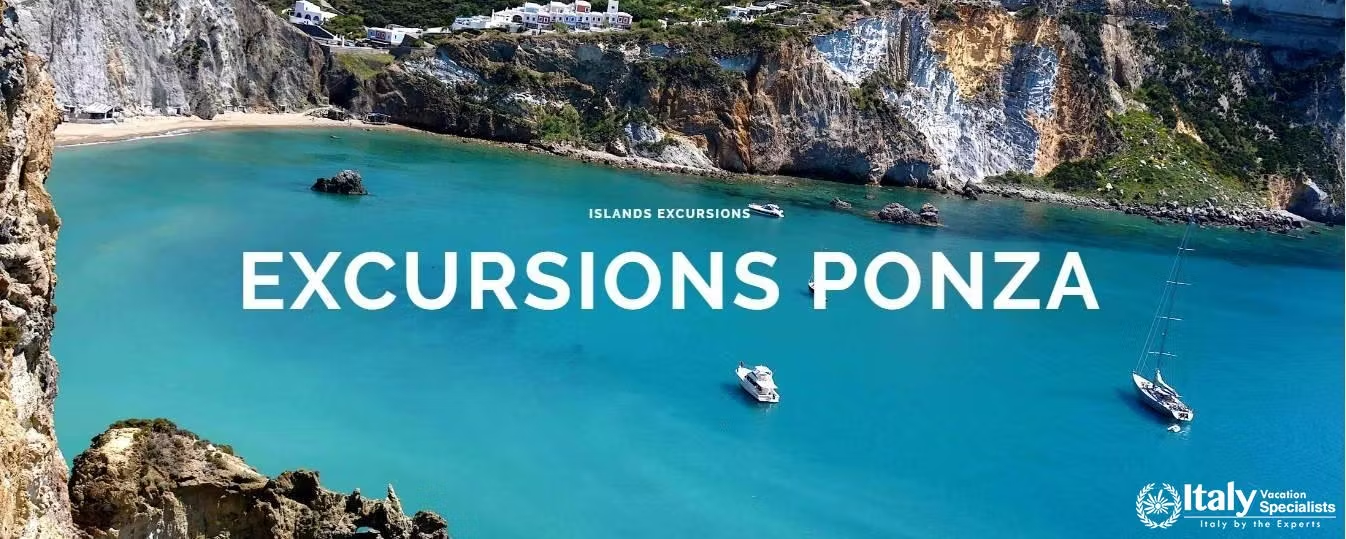
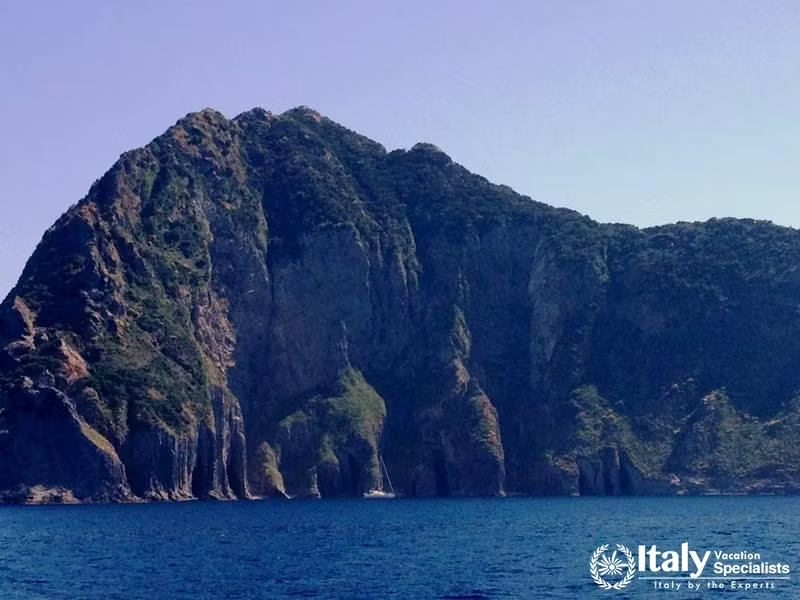
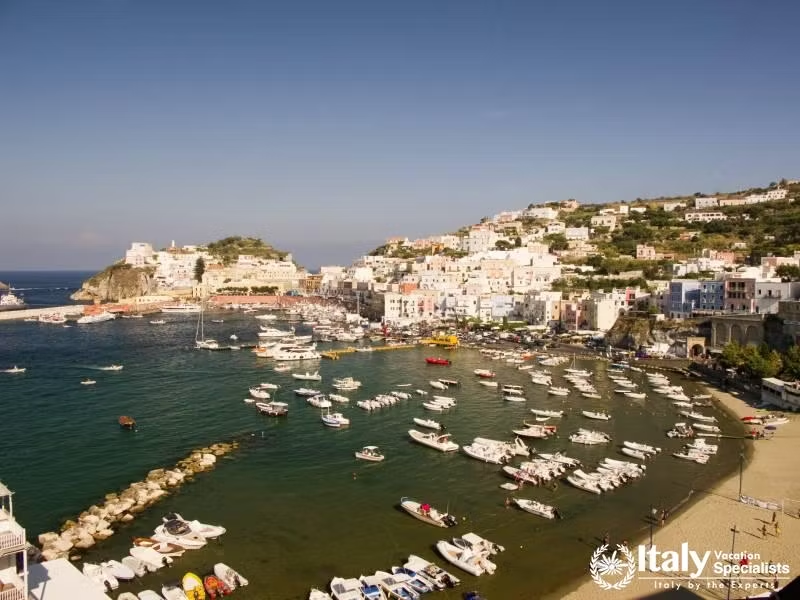
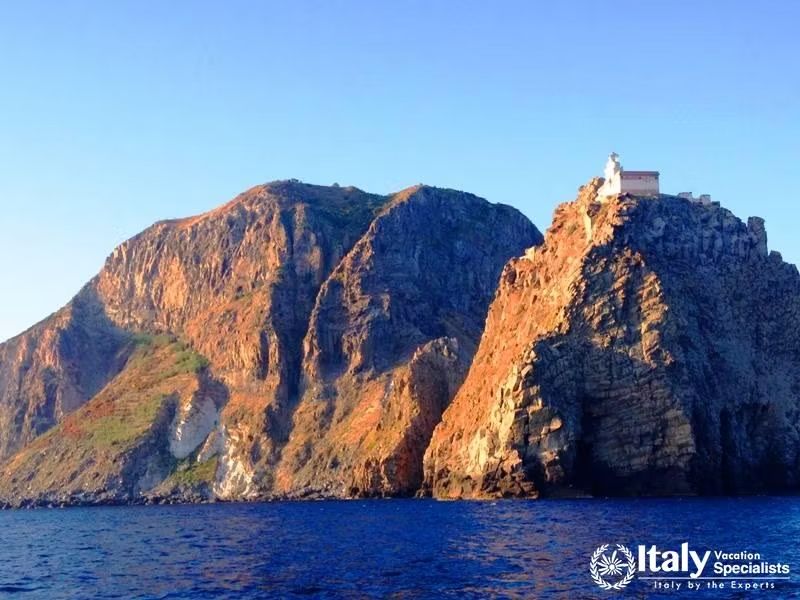
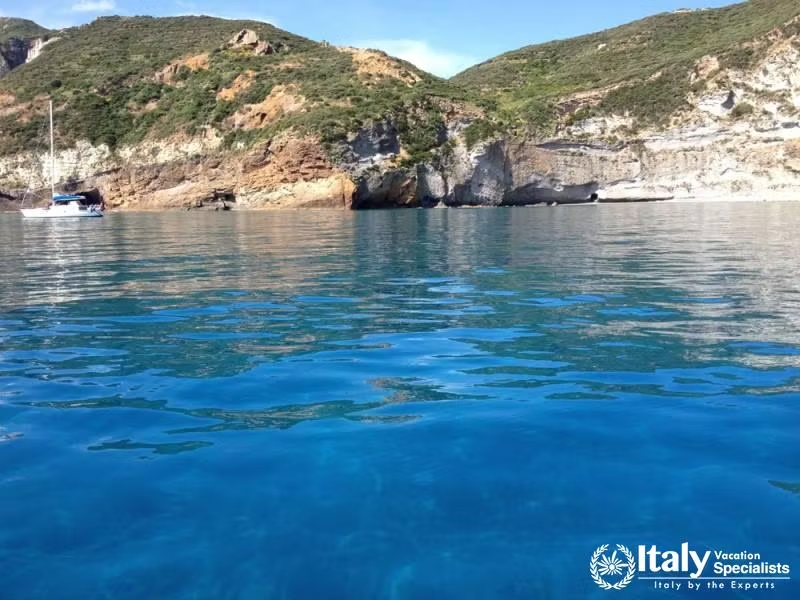
Just 10km (6 miles) north and west (30 min. by boat) from Ponza, craggy Palmarola is the second largest (1 1/3 sq. km/ 1/2 sq. mile) of the Pontine islands. With mountainous slopes carpeted in green macchia and limestone cliffs plunging to the Caribbean-turquoise sea, Palmarola is astonishingly beautiful; it could be Capri's more tropical sibling. Even when Ponza is swamped in summer, Palmarola feels intimate. The transparency and pale blue-green color of the coastal water here is remarkable, as are the island's natural features, which look like they've been sculpted and styled to suit an "island paradise" movie set or magazine cover.
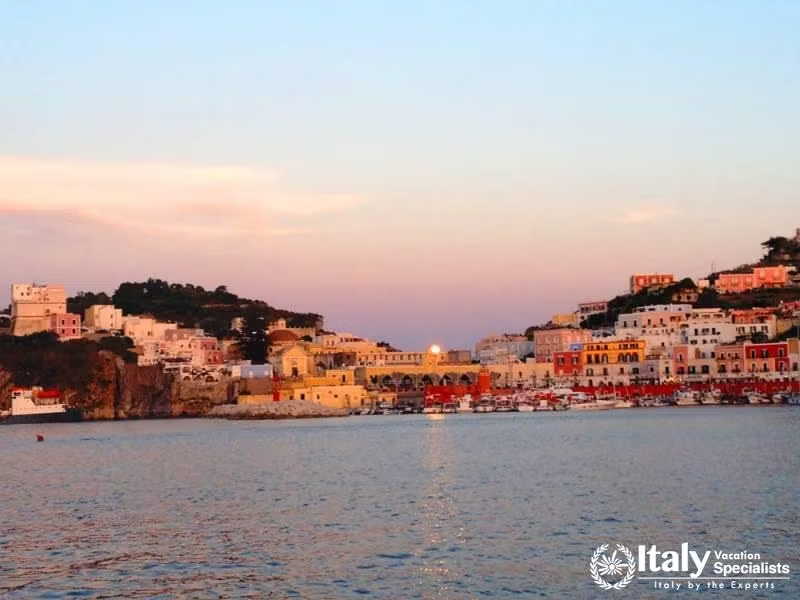
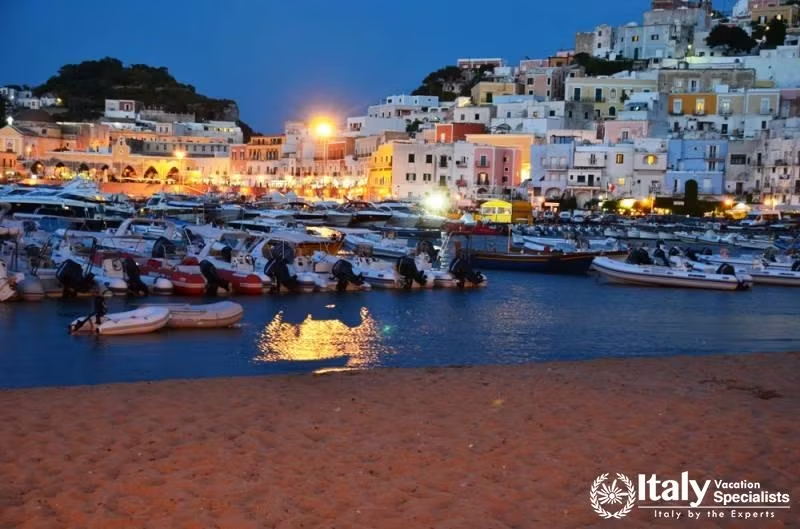
There is no regular ferry service to Palmarola, but if you've rented a boat to putter around Ponza, it's easy enough (as long as the sea is calm) to motor over to Palmarola yourself. Allow about 20 minutes at full throttle for the crossing from the Chiaia di Luna area over to Palmarola. Otherwise, there are regularly scheduled shuttle boats (22€, 25€ in Aug; or 25€/30€ for the gita doppia that includes the boat tour around of Ponza) to Palmarola from Molo Musco in Ponza port, which make it easier to explore Palmarola's terra ferma if that's of interest to you. The tours are offered by Cooperativa Barcaioli Ponzesi (tel. 0771/809929).
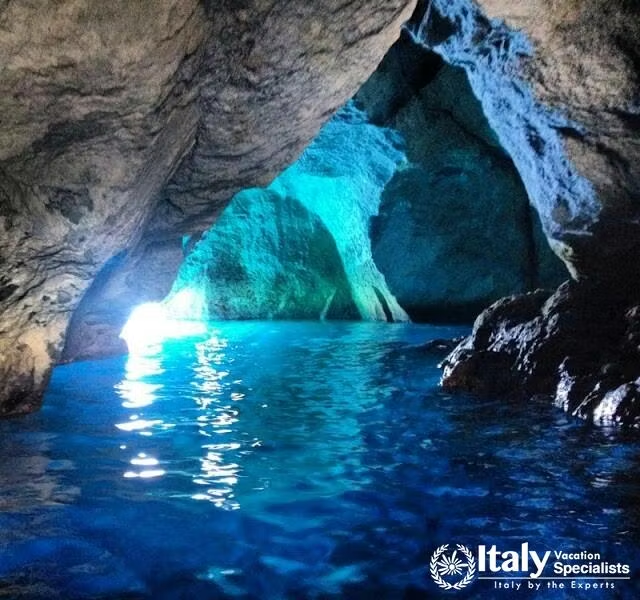
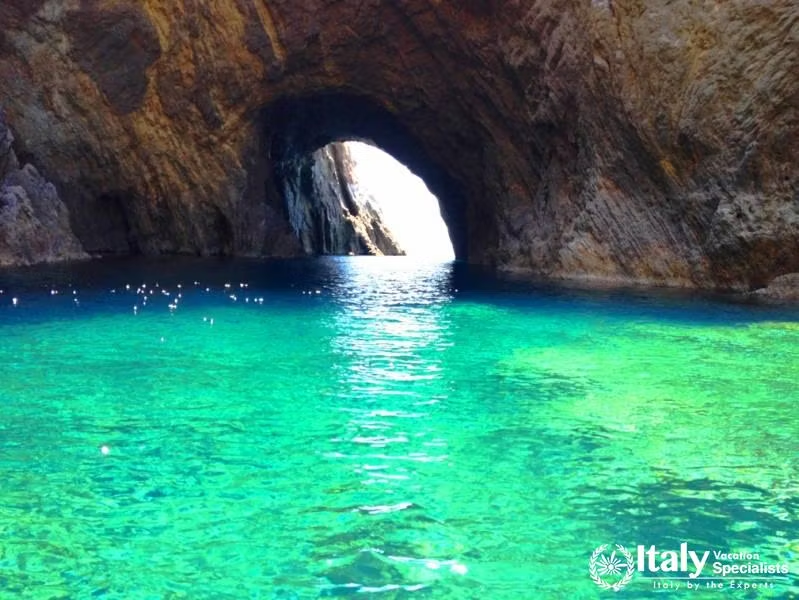
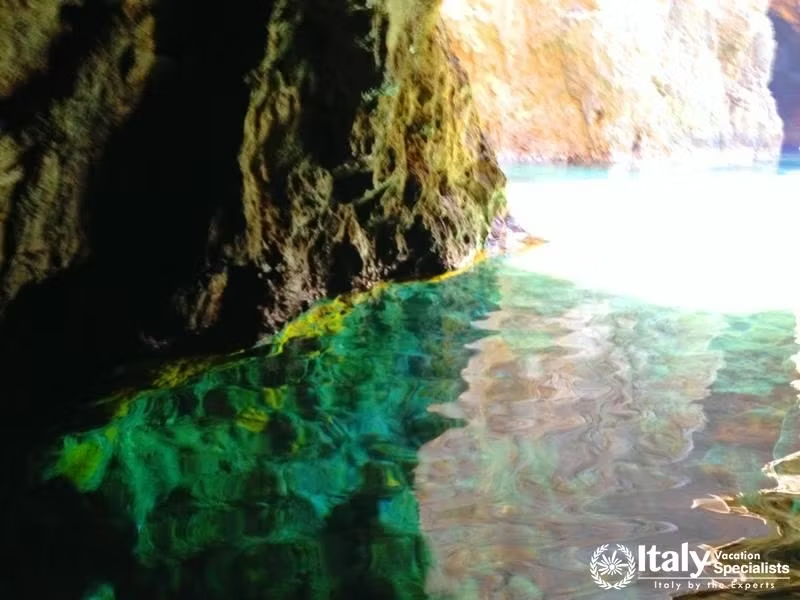
Setting a straight course off the west coast of Ponza, the first glimpse you'll have of Palmarola is a V-shaped cove called Cala Brigantina. This protected bay with imposing cliffs and the most gorgeous emerald water was once a refuge for Mediterranean pirates, hence the name "Brigand's Cove." Cala Brigantina is riddled with tiny grottoes, some of which you have to swim underneath the water and through narrow rock tunnels to reach. (I've always been too scared to try this, but Italians do it all the time.) Even more like the set of a pirate movie, however, is a rock formation on the opposite (northern) end of Palmarola, Punta Tramontana. Here, three tall arches known as La Cattedrale have the uncanny look of some kind of a Gothic cathedral standing before the glittering turquoise water.
To explore Palmarola by land, pull into the "port" (really, just a beach) on the island's west coast. The extent of the settlement here is a few restaurants on the beach, including O' Francese (tel. 0771/80080 or 380/2542553; which also rents a few rooms in summer) and private houses, behind which the rugged rocks of Palmarola soar skyward, pierced by ancient cave houses -- now mostly abandoned. A network of narrow paths and stairs lead ever upward into the dense vegetation, providing a glorious view over the island's dramatic contours and the sea below. Another worthwhile walk is to the top of the rock jutting out into the water below Palmarola beach; here are the ruins of a chapel dedicated to the patron saint of the Pontine islands, San Silverio.
ZannoneMost everyone who sets foot on Ponza also finds time for a visit to the nearby, all but uninhabited island of Palmarola -- and for many, this is the highlight of the entire archipelago. Just 10km (6 miles) north and west (30 min. by boat) from Ponza, craggy Palmarola is the second largest (1 1/3 sq. km/ 1/2 sq. mile) of the Pontine islands. With mountainous slopes carpeted in green macchia and limestone cliffs plunging to the Caribbean-turquoise sea, Palmarola is astonishingly beautiful; it could be Capri's more tropical sibling. Even when Ponza is swamped in summer, Palmarola feels intimate. The transparency and pale blue-green color of the coastal water here is remarkable, as are the island's natural features, which look like they've been sculpted and styled to suit an "island paradise" movie set or magazine cover.
There is no regular ferry service to Palmarola, but if you've rented a boat to putter around Ponza, it's easy enough (as long as the sea is calm) to motor over to Palmarola yourself. Allow about 20 minutes at full throttle for the crossing from the Chiaia di Luna area over to Palmarola. Otherwise, there are regularly scheduled shuttle boats (22€, 25€ in Aug; or 25€/30€ for the gita doppia that includes the boat tour around of Ponza) to Palmarola from Molo Musco in Ponza port, which make it easier to explore Palmarola's terra ferma if that's of interest to you. The tours are offered by Cooperativa Barcaioli Ponzesi (tel. 0771/809929).
Setting a straight course off the west coast of Ponza, the first glimpse you'll have of Palmarola is a V-shaped cove called Cala Brigantina. This protected bay with imposing cliffs and the most gorgeous emerald water was once a refuge for Mediterranean pirates, hence the name "Brigand's Cove." Cala Brigantina is riddled with tiny grottoes, some of which you have to swim underneath the water and through narrow rock tunnels to reach. (I've always been too scared to try this, but Italians do it all the time.) Even more like the set of a pirate movie, however, is a rock formation on the opposite (northern) end of Palmarola, Punta Tramontana. Here, three tall arches known as La Cattedrale have the uncanny look of some kind of a Gothic cathedral standing before the glittering turquoise water.
To explore Palmarola by land, pull into the "port" (really, just a beach) on the island's west coast. The extent of the settlement here is a few restaurants on the beach, including O' Francese (tel. 0771/80080 or 380/2542553; which also rents a few rooms in summer) and private houses, behind which the rugged rocks of Palmarola soar skyward, pierced by ancient cave houses -- now mostly abandoned. A network of narrow paths and stairs lead ever upward into the dense vegetation, providing a glorious view over the island's dramatic contours and the sea below. Another worthwhile walk is to the top of the rock jutting out into the water below Palmarola beach; here are the ruins of a chapel dedicated to the patron saint of the Pontine islands, San Silverio.
Zannone
The green isle of Zannone (1 sq. km/ 3/4 sq. mile) is part of the Parco Nazionale del Circeo. Although it's only 9km (5 1/2 miles) from Ponza (so, slightly closer than Palmarola), Zannone has a totally different nature from its neighboring islands. Along the coast of the lima-bean-shaped Zannone, there are few coves and inlets; brawny cliffs rise to a plateau covered in ilex woods and macchia mediterranea: Zannone isn't about idling on a boat but about going ashore and immersing yourself in its flora. Zannone was never deforested like the other Pontine islands, and the only human inhabitants on Zannone were a brief community of monks, whose 1213 Monastero di Santo Spirito e Santa Maria is in evocative ruins on the west side of the island. Boats land at Il Varo, on the southwest coast, from which a 20-minute footpath leads to the old monastery and park headquarters (at 121m/397 ft.), where there's a small museum. From here, there are two paths: One, leading east and north (45 min. round-trip), takes you to the faro (lighthouse) of Capo Negro; the other is a 90-minute loop that takes you due east, to the summit of Zannone, Monte Pellegrino (192m/630 ft.), before descending to the southeast coast of the island and back up toward the park headquarters. Along the way, you're likely to encounter mouflon, wild sheep brought here from Sardinia in 1924. Zannone's vegetation is evergreen, but the island is at its best in the spring, when wildflowers explode with color and the macchia explodes with the resiny aromas of rosemary, lavender, bay laurel, and myrtle.
To visit Zannone, a permit is technically required, but boat tours organized from Ponza port are already equipped with these permits. Cooperativa Barcaioli Ponzesi (tel. 0771/809929) runs tours to Zannone (22€) from May to July and September to October. Tours are suspended in August. For more information, contact the park service of Parco Nazionale del Circeo (Via Carlo Alberto 107, 04016 Sabaudia, Italy; tel. 0773/511385; www.parcocirceo.it).
Note: This information was accurate when it was published, but can change without notice. Please be sure to confirm all rates and details directly with the companies in question before planning your trip.
The green isle of Zannone (1 sq. km/ 3/4 sq. mile) is part of the Parco Nazionale del Circeo. Although it's only 9km (5 1/2 miles) from Ponza (so, slightly closer than Palmarola), Zannone has a totally different nature from its neighboring islands. Along the coast of the lima-bean-shaped Zannone, there are few coves and inlets; brawny cliffs rise to a plateau covered in ilex woods and macchia mediterranea: Zannone isn't about idling on a boat but about going ashore and immersing yourself in its flora. Zannone was never deforested like the other Pontine islands, and the only human inhabitants on Zannone were a brief community of monks, whose 1213 Monastero di Santo Spirito e Santa Maria is in evocative ruins on the west side of the island. Boats land at Il Varo, on the southwest coast, from which a 20-minute footpath leads to the old monastery and park headquarters (at 121m/397 ft.), where there's a small museum. From here, there are two paths: One, leading east and north (45 min. round-trip), takes you to the faro (lighthouse) of Capo Negro; the other is a 90-minute loop that takes you due east, to the summit of Zannone, Monte Pellegrino (192m/630 ft.), before descending to the southeast coast of the island and back up toward the park headquarters. Along the way, you're likely to encounter mouflon, wild sheep brought here from Sardinia in 1924. Zannone's vegetation is evergreen, but the island is at its best in the spring, when wildflowers explode with color and the macchia explodes with the resiny aromas of rosemary, lavender, bay laurel, and myrtle.
Inclusions & Exclusions
What's Included
 Excellent Photo Opportunities
- Ferry tickets
- Fun for the Entire Family!
- Towels
What's Not Included
 Personal Expenses or Extras at hotels
- Travel Insurance
Pricing & Availability
Please contact us today by either phone or email for assistance with this booking.
- Email: team@italyvacationspecialists.com
- Toll Free: 1-866-779-2565
Resources
Curated Italy journeys and travel inspirations.
Romantic Italy journeys designed for unforgettable celebrations and luxury escapes.
Tailor made Italy experiences for private groups, events, and special occasions.

Relaxed Italy journeys designed for families seeking meaningful shared experiences.
Curated small group journeys across Italy with authentic local experiences.
Restorative Italy retreats focused on wellness, balance, and slow luxury travel.
Location
Explore Italy's Finest
Journey through days of carefully curated destinations, each selected for authentic cultural immersion and unforgettable Italian experiences.
Nearby Experiences
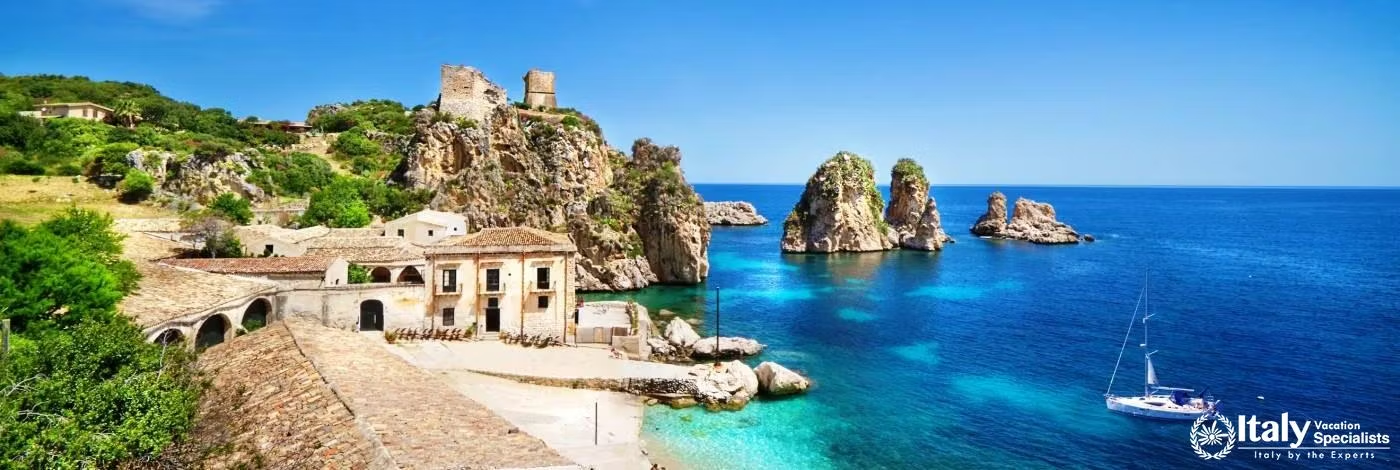
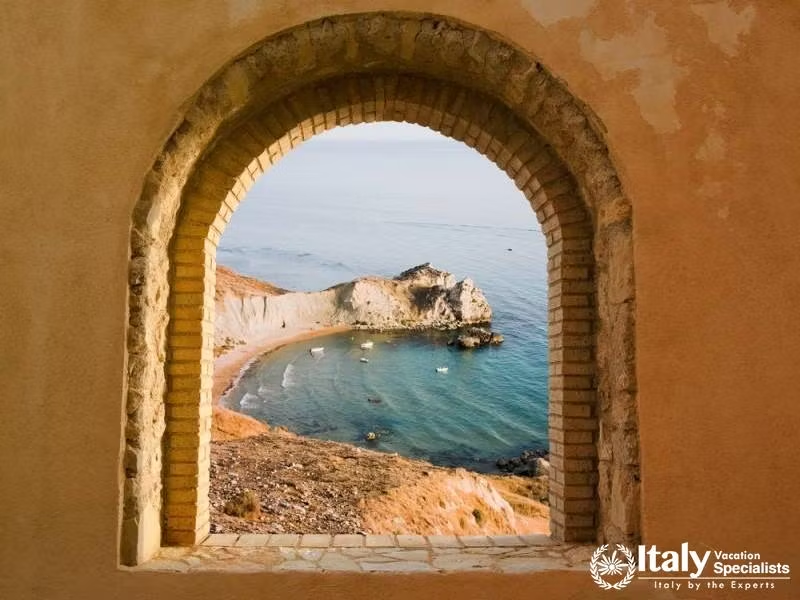
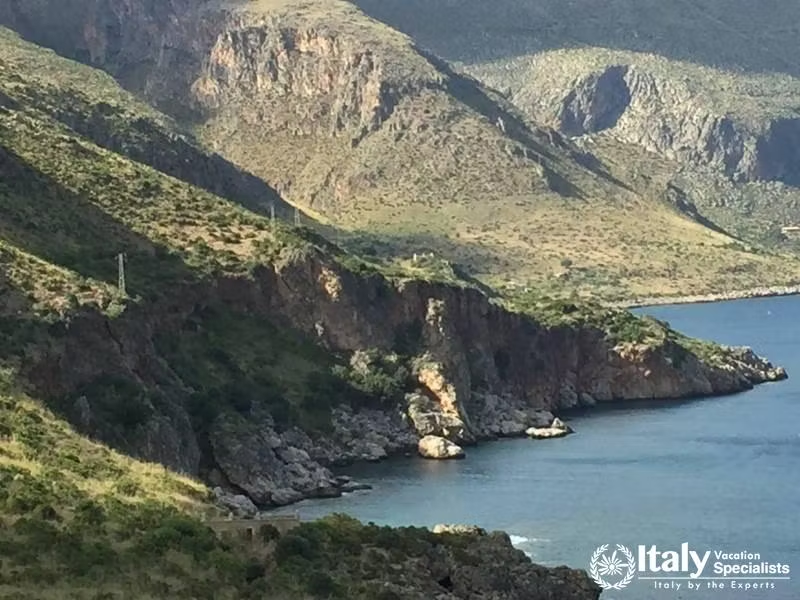
Sicily: Private Full Day Tour of Erice - Castellammare del Golfo and Lo Zingaro Nature Reserve
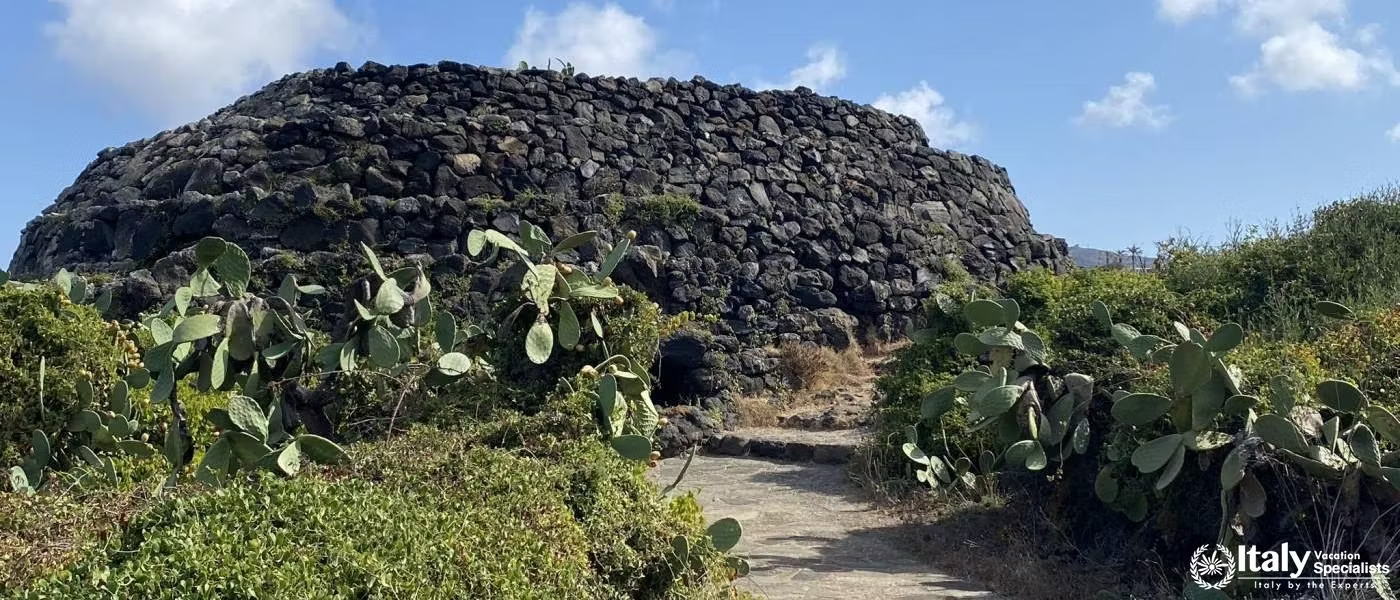
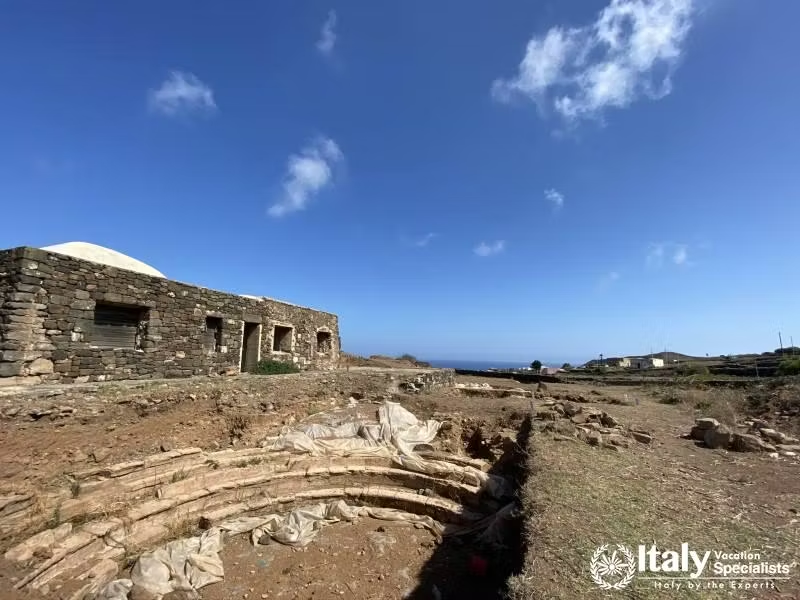
Guided Excursion Through The Sesi Archeological Park on Pantelleria Island
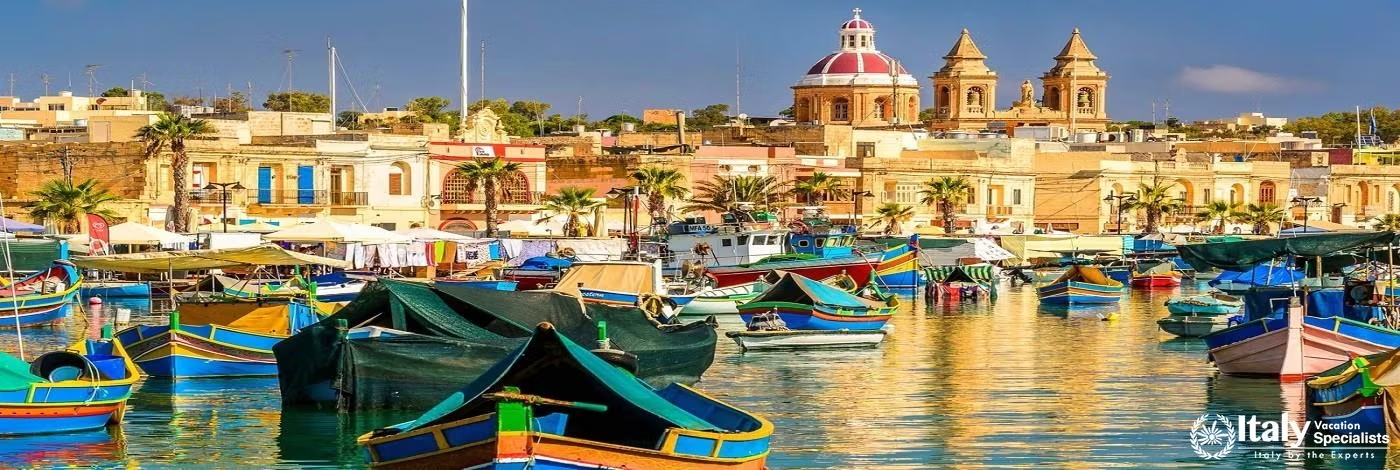
A Private Journey with Local Hosts through Southern Italy and Malta including the Amalfi Coast, Capri, Pompeii, Sicily and the Island Nation of Malta
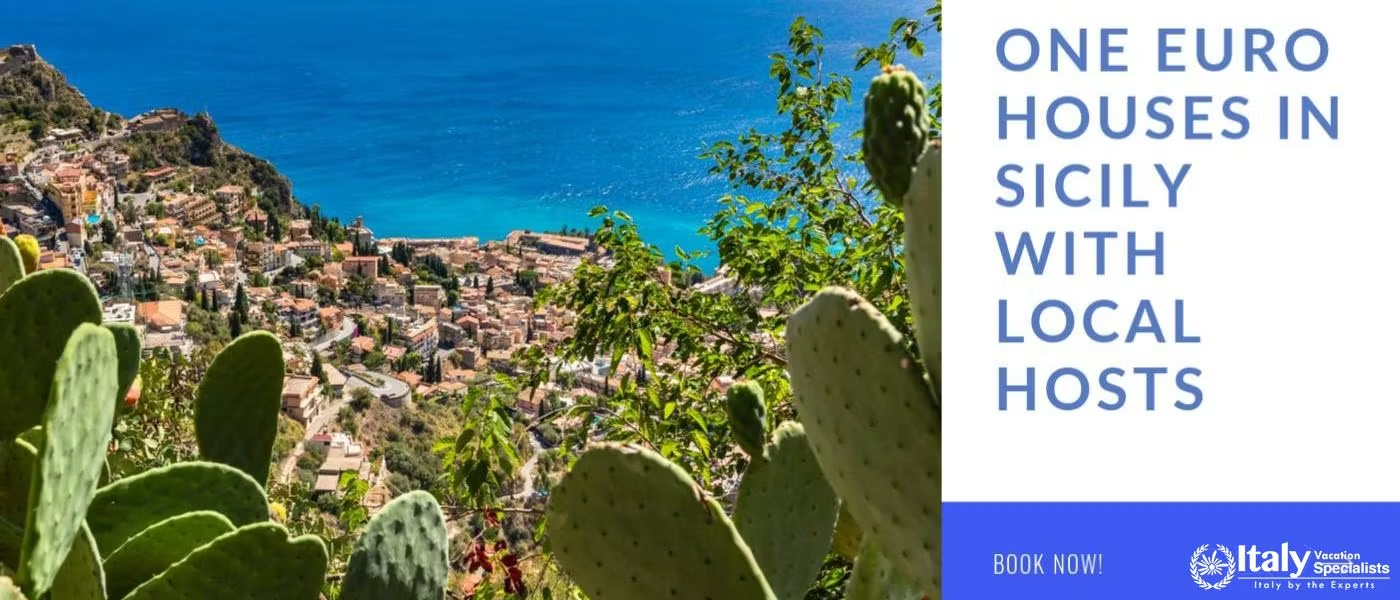
Exploring the 1 Euro Houses and Surrounding Areas in Sicily September 10-18, 2022
Recommended Tours
Our Recent Blog
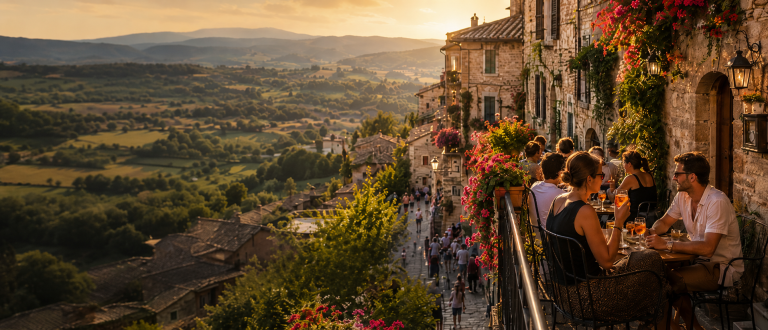
Italy Summer 2026: What Travelers Need To Know Before They Arrive
Read Article →
The Italy Travel Math Most People Never Calculate 👇 👇 👇
Read Article →
The New Travel Problems Visitors Are Facing in Italy
Read Article →
Before You Book That Hotel in Italy, Read This.
Read Article →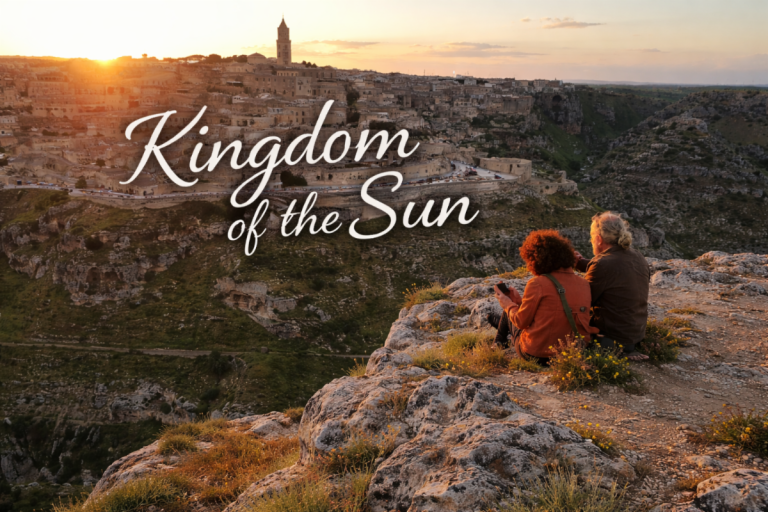
A Journey Through Southern Italy’s Kingdom of the Sun® 💛 ❤️ 💙
Read Article →
Experience a New Kind of Luxury in Italy. Reclaim Your Time, Space, and Energy 💜 👓 💜
Read Article →Ready to plan your journey?
Connect directly with a member of our team for expert guidance and fully customized travel across Italy and the Mediterranean.
- Direct in Italy: +39 375 823 5314
- Toll Free: 1-866-779-2565