



















For more than two decades, I’ve been getting around Italy in just about every way imaginable.
Not as a tourist passing through, but as someone who lives here, works here, and spends a good deal of time traveling across the country to meet our local partners, check in with our team, and experience destinations the way our clients will. And despite that familiarity, I can tell you this honestly:
I’ve made plenty of costly transportation mistakes in Italy.
Some were financial, fines, unnecessary rentals, last-minute changes.
Others were emotional, stress, frustration, and moments where I wished I could simply enjoy where I was instead of worrying about how to get to the next place.
I’ve driven when I shouldn’t have. I’ve trusted GPS when I absolutely shouldn’t have. I’ve assumed taxis would be available when they weren’t. And yes, I’ve learned the hard way that what seems logical on a map often makes very little sense on the ground in Italy.
That’s why, after writing recently about Uber in Italy and whether renting a car here is really worth it, this article felt like the natural next step, because the real question travelers should be asking isn’t “What’s the best way to get around Italy?”
It’s “What actually works, and when?”
Italy Is Not One Place, And Transportation Isn’t One-Size-Fits-All
One of the biggest mistakes travelers make is assuming Italy functions like a single, uniform system.
It doesn’t.
Moving around Rome, Florence, Venice, or Milan is a completely different experience from navigating wine country, hill towns, coastal villages, or rural regions. What works beautifully in one place can be a logistical nightmare in another.
Understanding this distinction, early, can save you time, money, and a lot of unnecessary stress.
Trains: Italy’s Greatest Strength (When Used Correctly)
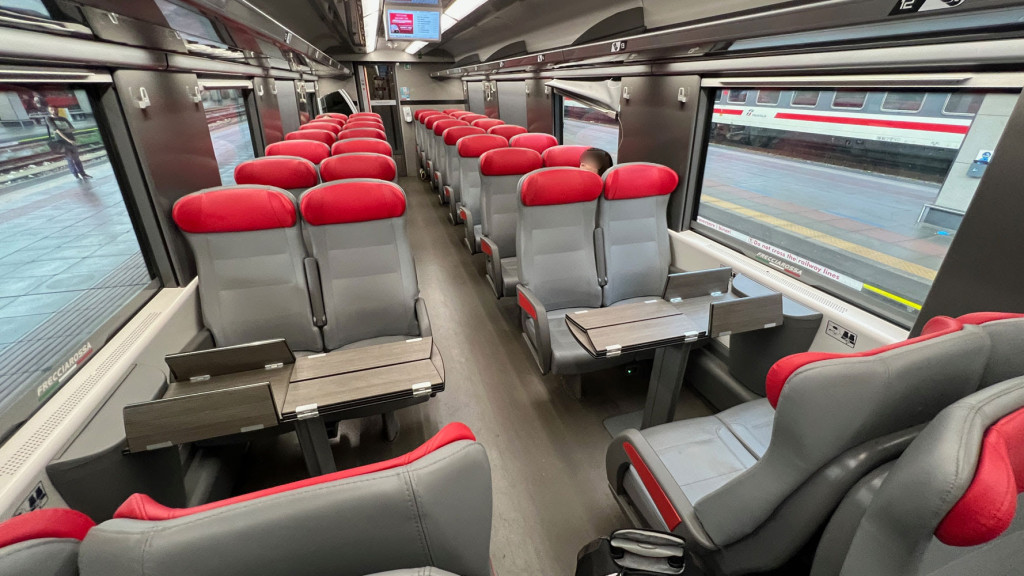
Italy’s high-speed train network is genuinely excellent.
For travel between major cities, trains are often:
- Faster than driving
- More relaxing
- More reliable
- Free from parking issues, tolls, and fines
Routes like Rome–Florence, Florence–Venice, Milan–Turin, or Naples–Rome are ideal by train. You arrive directly into the city center, step off with your luggage, and walk or take a short transfer to your hotel.
That said, trains are not perfect, and they’re not the solution for everything.
Where trains fall short:
- Smaller towns with infrequent service
- Destinations requiring multiple regional connections
- Traveling with heavy luggage and limited mobility
- Getting from stations to countryside accommodations
Trains are wonderful, until they aren’t.
Train Strikes in Italy: A Frequent Disruption
In Italy, rail strikes are a fairly regular part of the transportation landscape, especially during busy travel months like June and July. These strikes are usually the result of labour disputes over wages, working conditions, or contract renewals. When they occur, they can lead to delays, cancellations, and major disruptions for tourists and locals alike, particularly for those relying on trains for long-distance or regional travel.
Summer 2025: Strike Pattern and Disruptions
Summer 2025 saw several planned transport strikes that particularly impacted rail travel:
- June 2025: Multiple strikes affected public transport and rail services, including a notable nationwide transport strike around June 19–20 that hit trains as well as other transport modes.
- July 7–8, 2025: A 21-hour national rail strike was scheduled, affecting Trenitalia and other services across the country, with knock-on effects on both passenger and freight trains.
- Beyond this major strike, there were localised rail and public transport stoppages in various cities throughout July as part of broader strike action across the transport sector.
In total, at least two significant nationwide rail strike periods (June and July) were widely reported during the core summer travel season of 2025. In addition to these, there were several regional and local strikes which can add up to a dozen or more separate days of disruption when combined with other transport sector actions across the year. Some community-sourced reports even suggest that 2025 ended up being one of the most strike-heavy years for Italian rail workers, with around 12 strike days nationwide, though not all fell during summer.
What This Means for Travelers
Highly disruptive: When national rail strikes happen, especially around peak travel days, long-distance services (including high-speed and intercity trains) may be cancelled or delayed.
Service windows: Even on strike days, some trains are guaranteed in limited time slots (typically morning and early evening), but this varies by carrier and region.
Planning is key: Because strikes can be announced weeks in advance, it’s especially important to check train schedules shortly before travel and consider reserve alternative plans (e.g., buses, rented cars, or rebooking earlier trains) if your itinerary coincides with announced strike dates.
Taxis & Ride Services: Useful, But Limited
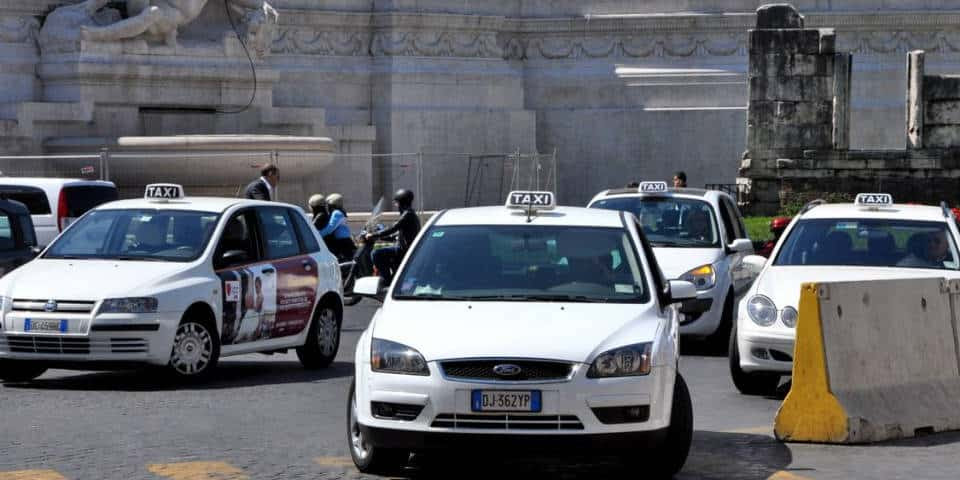
Taxis in Italy are highly regulated, city-based services. They can work well within cities, especially for short distances or airport transfers, but availability varies dramatically by location, season, and time of day.
And despite what many travelers expect, Uber does not function in Italy the way it does elsewhere. In most cities, it’s limited, inconsistent, or restricted to higher-end services, if it exists at all.
What this means in practice:
- You can’t rely on ride apps in smaller towns
- Late-night or early-morning availability is unpredictable
- Drivers may not have access to restricted historic centers
Taxis and ride services are tools, not a transportation strategy.
Renting a Car: Sometimes Helpful, Often Overused
I’ve written extensively about this already, but it bears repeating in context.
Cars can be useful in:
- Remote countryside areas
- Regions with limited public transport
- Specific point-to-point routes where parking is simple
But renting a car for an entire Italian itinerary, especially one involving cities, is often where things unravel.
Between ZTL zones, parking limitations, traffic patterns, unfamiliar signage, and hyper-local rules, driving in Italy demands more local knowledge than most travelers expect.
And even when it “works,” it frequently adds mental load where none is needed.
Private Drivers (NCC): The Underrated Sweet Spot
This is where many travelers experience the biggest “aha” moment.
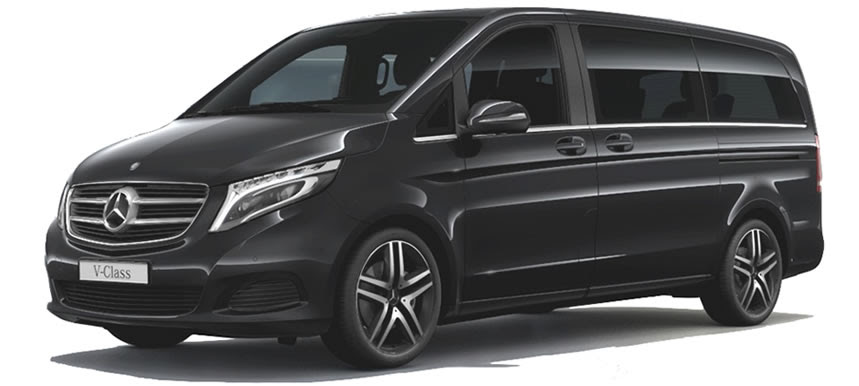
Licensed private drivers in Italy (known as NCC) are not taxis, not tour buses, and not ride-share drivers. They are professionals who:
- Know local access rules
- Can enter restricted areas legally
- Understand hotel logistics and timing
- Adapt routes based on real conditions, not just GPS
For transfers, day trips, long distances, and complex routing, private drivers often eliminate the friction entirely.
And contrary to popular belief, when you factor in:
- Parking
- Tolls
- Fuel
- Stress
- Time lost
They’re often far more cost-effective than they appear on paper.
When Transportation Becomes Part of the Experience
One thing travelers often overlook is that tours aren’t just about information, they’re also about logistics handled intelligently.
A well-designed tour solves multiple problems at once:
- Transportation
- Timing
- Access
- Navigation
- Local insight
Instead of worrying about how to get somewhere, you’re focused on why you’re there.
And that shift, from managing logistics to experiencing Italy, is often what transforms a trip from “nice” to unforgettable.
The Smartest Way to Get Around Italy: Mix & Match
After years of doing this myself, and helping thousands of travelers do it better, here’s the truth:
Most successful trips to Italy don’t rely on one mode of transportation.
They combine:
- Trains between major cities
- Walking and taxis within historic centers
- Private drivers where access matters
- Tours where logistics would otherwise be complicated
- Occasional car use only when it truly makes sense
This hybrid approach isn’t always obvious when planning from abroad, but it’s exactly how locals and professionals move through the country.
Final Thoughts: Transportation Shapes the Experience
Transportation choices don’t just shape your itinerary, they shape your experience. They influence whether you feel relaxed or rushed, present or distracted.
Do you want to be fully immersed in the moment – or spending your time managing logistics instead of enjoying the journey?
Most of the costly mistakes I made over the years came from trying to force Italy to behave like somewhere else. Once I stopped doing that, everything got easier.
If there’s one thing I hope travelers take away from this article, it’s this:
Italy rewards those who work with it, not against it.
And when transportation works, the rest of the journey tends to follow.
At the end of the day, what truly makes the difference in Italy isn’t an app, it’s people. Italy Vacation Specialists is not a call center, an algorithm, or a platform operating from abroad. We are a team of local drivers, licensed guides, and expert trip planners based in Italy, with offices and partners throughout the country and real people on the ground every single day. When rail strikes happen, roads close without warning, weather shifts, or plans need to change, we’re here, in real time, speaking directly with you and solving problems as they arise.
For more than 20 years, we’ve supported both direct travelers and travel agents with hands-on expertise, local knowledge, and human solutions, long before ride-share apps and online booking platforms entered the conversation. And long after they fall short, we’re still here. If you’d prefer to deal with a real human being in Italy who knows how things actually work, we invite you to get in touch with our local team today.
You can reach us by WhatsApp, phone, or email, our contact information is available on our website, and we’ll be happy to help you plan a smarter, smoother journey through Italy.
Write today to: team@italyvacationspecialists.com