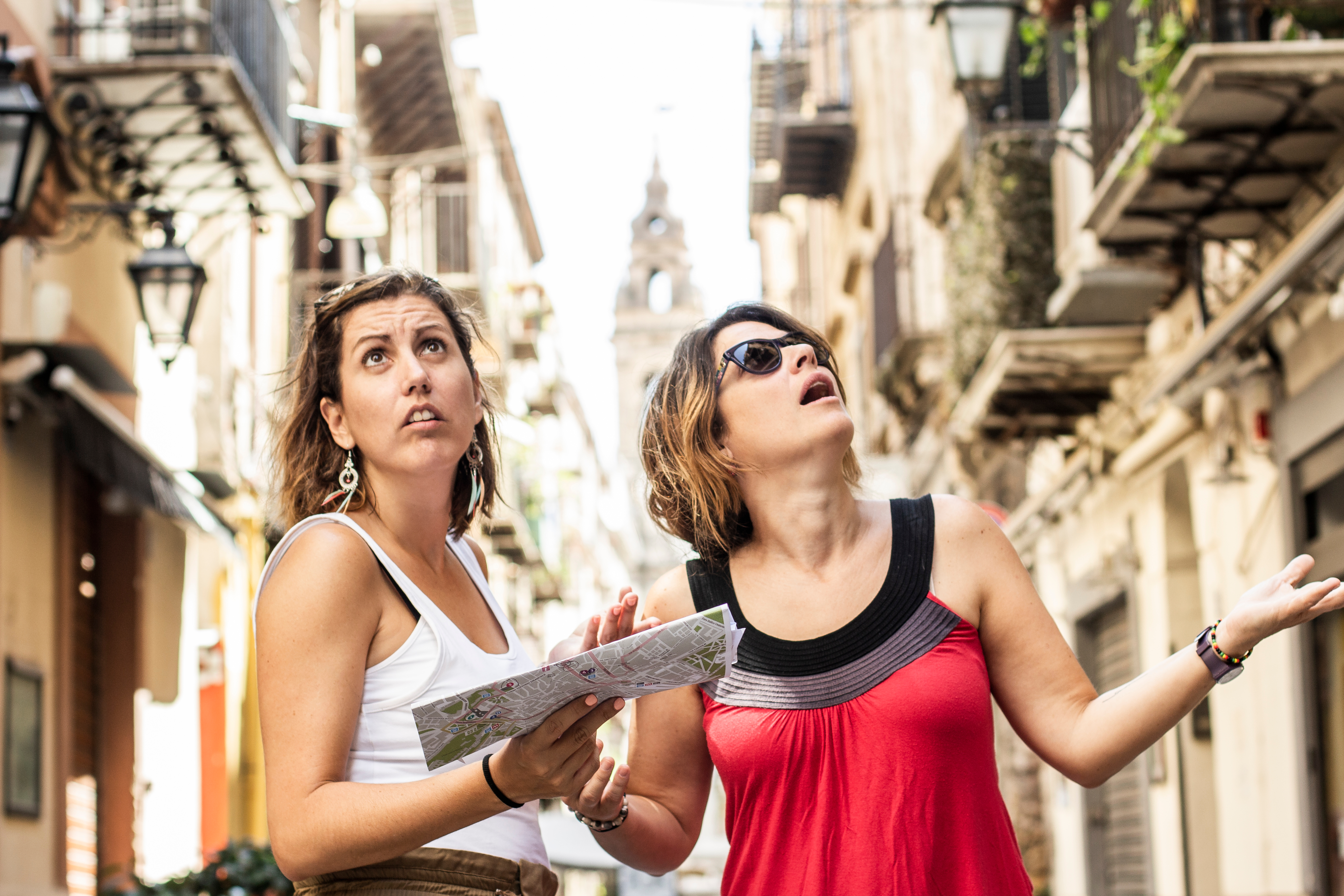
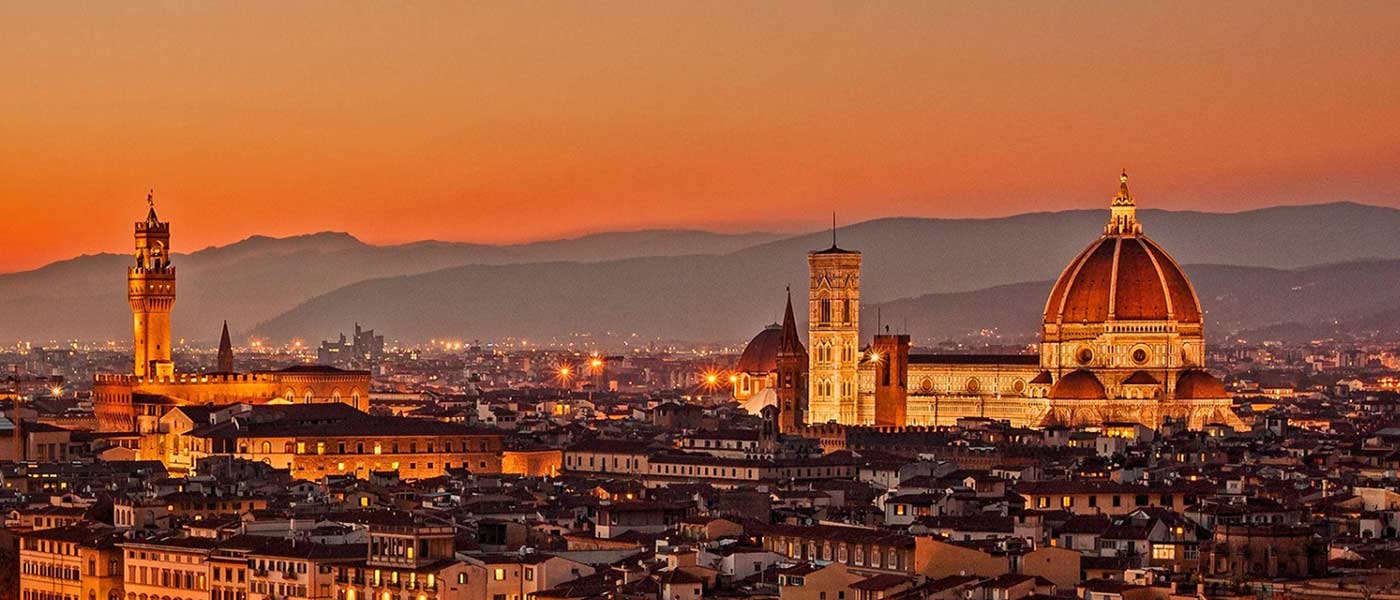
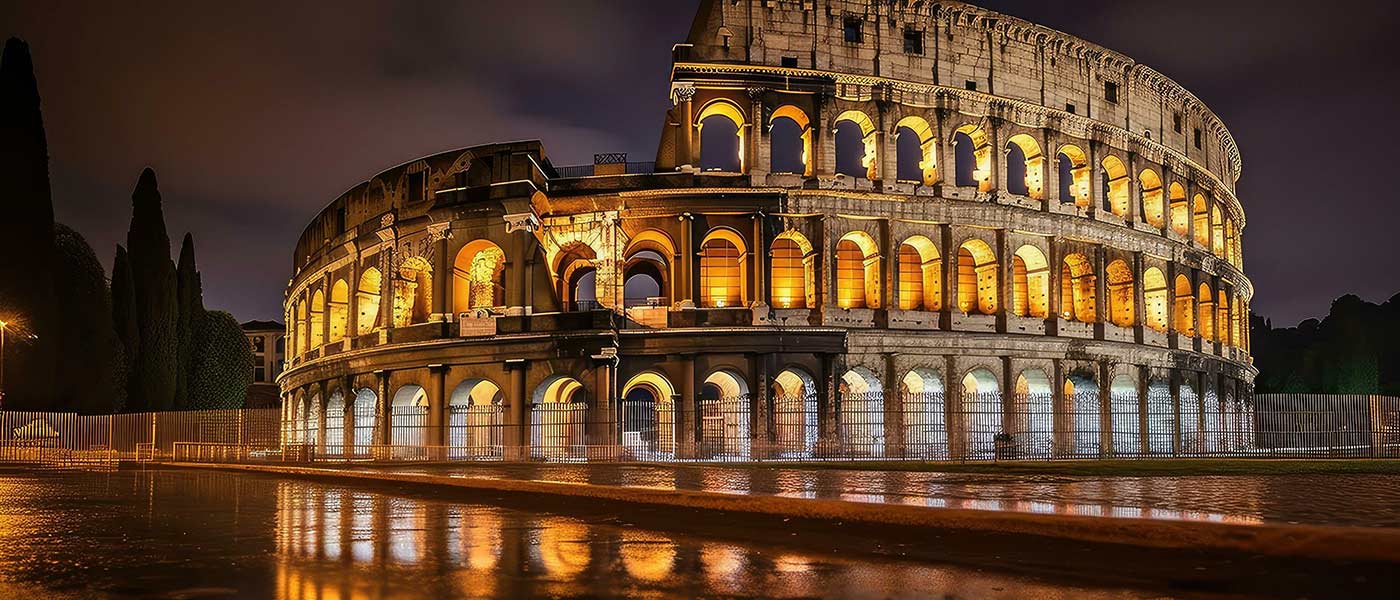
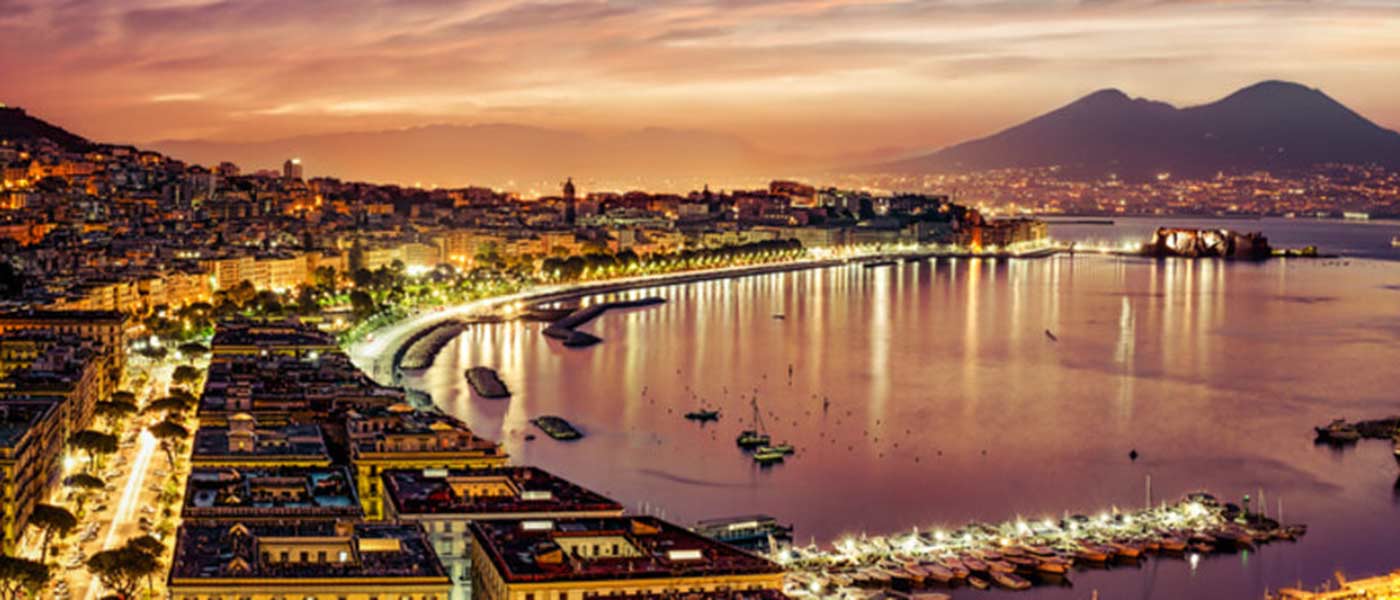
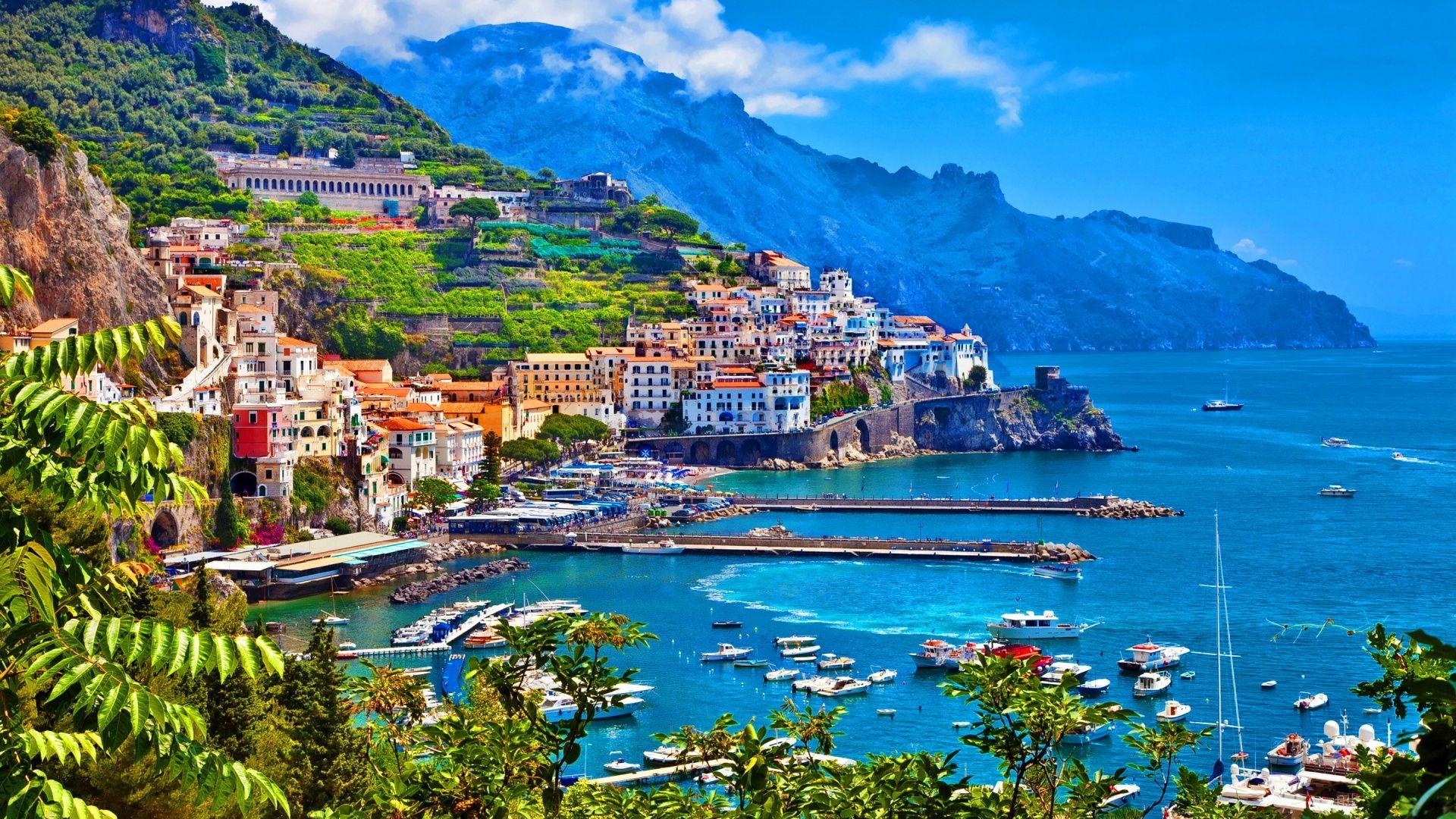

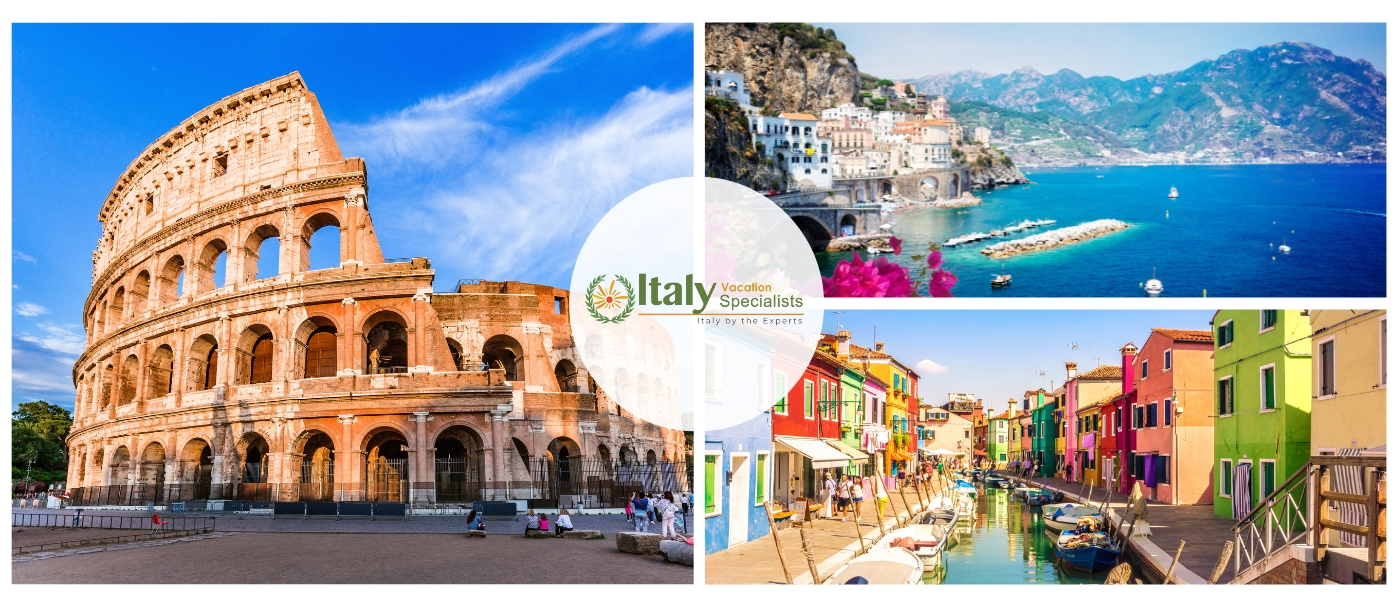


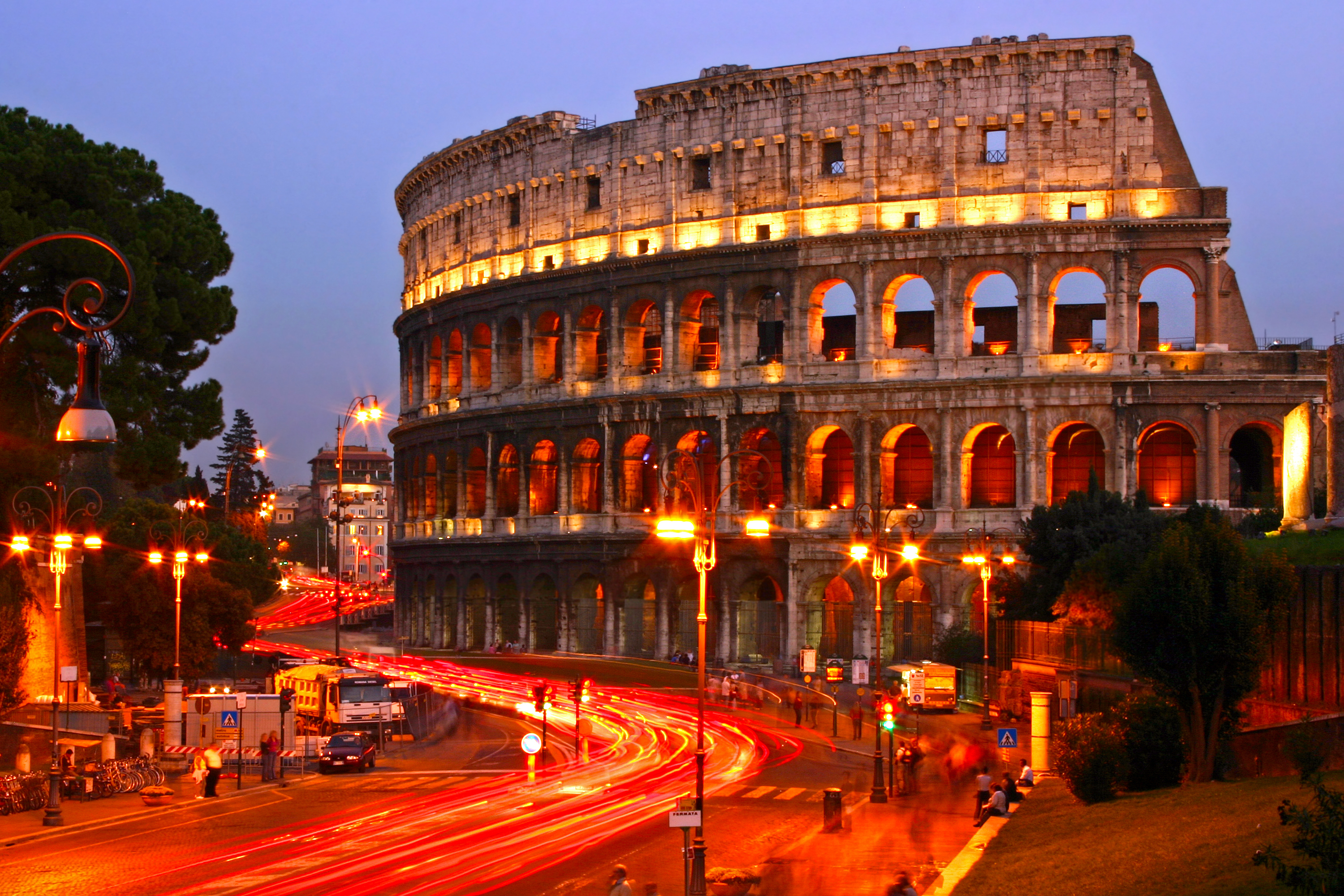
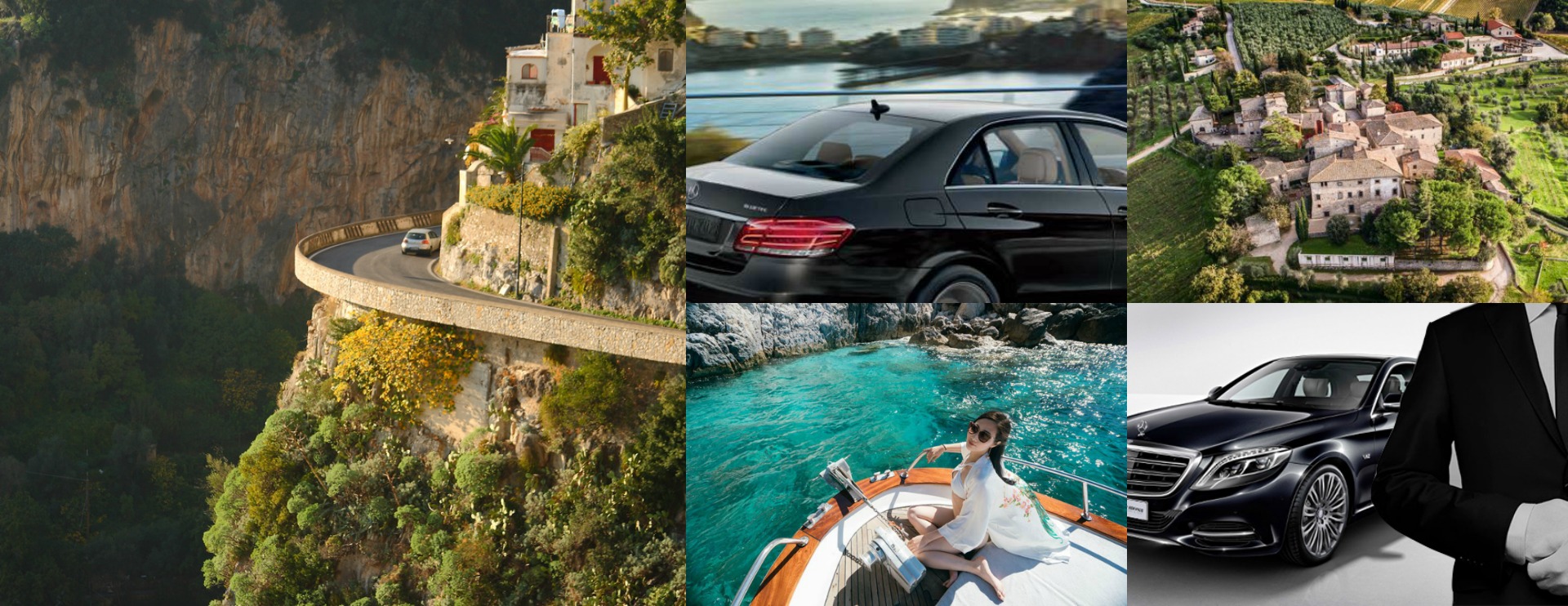
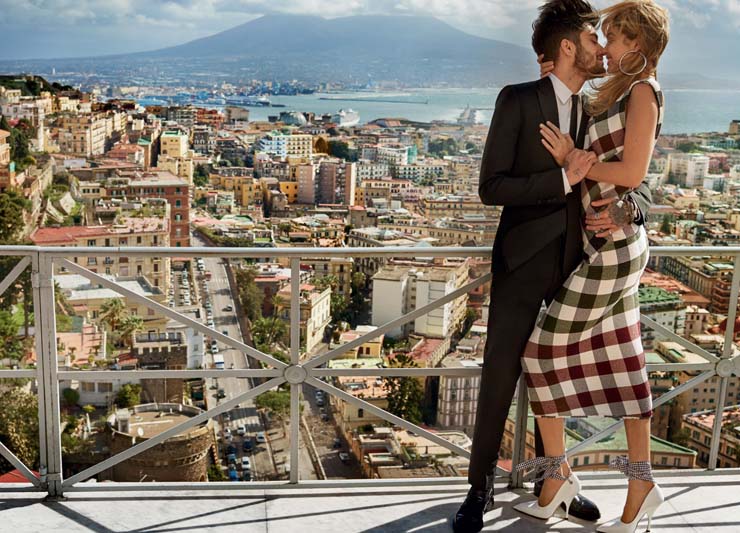
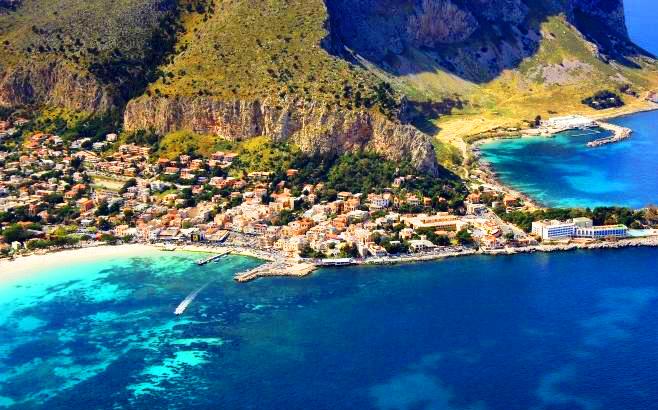

In recent years, we have encouraged travelers to rethink how they want to experience Italy. We often receive requests from visitors worldwide asking us to design itineraries covering Florence, Venice, Rome, the Amalfi Coast, and Tuscany (often by high-speed train) in less than a week. While this might technically be possible (even though the Amalfi Coast is not accessible by train), we usually explain that it would rushed and more like The Amazing Race than an actual vacation.
Rather than racing from one famous city to another on a tightly packed itinerary, many travelers are beginning to discover the value of slow travel, which in Italy means spending more time in fewer places. It’s about exploring the country with an emphasis on depth over speed.
Slow travel allows for greater spontaneity and invites travelers to immerse themselves more fully in local culture, without feeling as though they are constantly watching the clock. Italy, in particular, offers a rhythm of life that is meant to be savored, from the slower pace of meals to the simple pleasure of wandering historic streets without an agenda. In a country where each region has its own traditions, cuisine, landscapes, and way of life, allowing time to slow down often leads to richer and far more memorable experiences.
Often, once travelers arrive, Italy suddenly feels much larger than it appeared on the map. Even with the convenience of high-speed trains connecting many cities and regions, the distances between places quickly become more apparent, and without careful planning the journey can easily become exhausting. This is why designing a thoughtful itinerary is so important. We often encourage travelers to build in time to rest and recharge rather than pushing themselves so hard that they return home from their vacation in Italy feeling as though they need another vacation to recover.
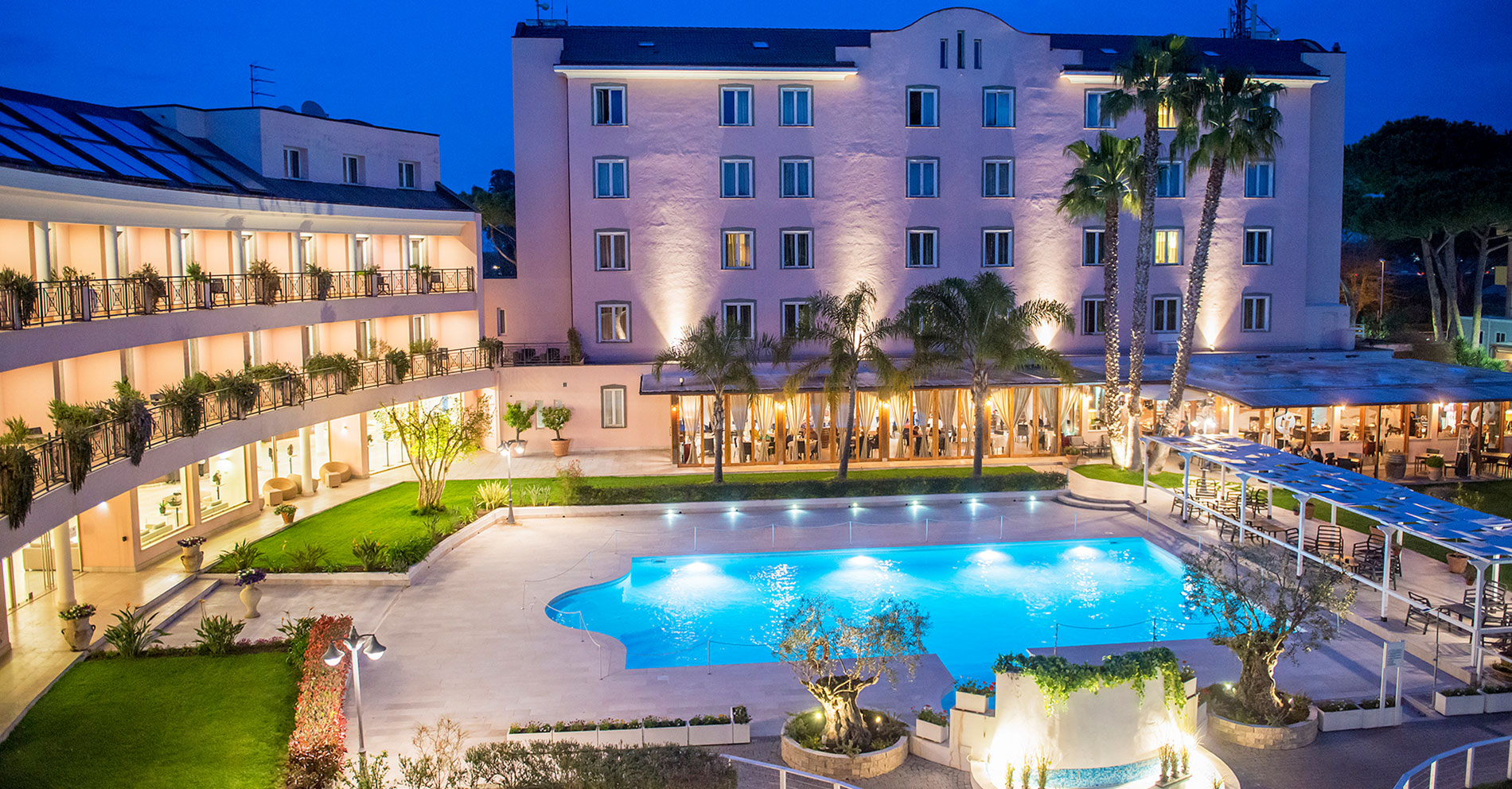
Equally important is knowing the exact location of the properties where you will be staying. A hotel or Airbnb may have excellent reviews, but if it is located on the outskirts or in the suburbs of a town or city, it may prevent you from experiencing the destination easily on foot. In some cases, travelers discover that what seemed like a good value ends up costing far more than expected, particularly when late-night taxis become necessary and prices rise significantly after evening hours in certain areas.
In a way, slow travel means creating the space and the time to truly embrace ‘la dolce vita’ and ‘il dolce far niente’ the unhurried pleasure of doing nothing at all.
When a journey allows for this kind of rhythm, travelers begin to notice the details that make Italy so memorable, the light in a quiet piazza, the scent of lemons along a coastal road, or the simple pleasure of a long meal shared with friends. For this reason, we structure our itineraries to leave time for wandering local streets, exploring small shops, and simply absorbing the beauty of the landscapes.
Italy has always been a country best experienced slowly. Its beauty is found not only in famous monuments and celebrated cities, but also in quiet piazzas, family-run trattorias, vineyard roads, and small towns where daily life unfolds at an unhurried pace. Slow travel embraces this spirit. Instead of trying to see as much as possible in a short time, travelers choose to spend longer in fewer places, allowing them to experience each destination more deeply.
After many years helping travelers explore Italy, one lesson becomes clear: the most meaningful experiences rarely come from rushing between famous landmarks. They come from slowing down. Traveling slowly in Italy is really about letting each place speak for itself, spending time in places rather than simply passing through them. It means wandering through local markets, sharing long meals with friends, discovering small villages beyond the main tourist routes, and experiencing the rhythms of everyday Italian life.
In a country with such deep regional character, slowing down often reveals a far richer Italy than most travelers ever see.
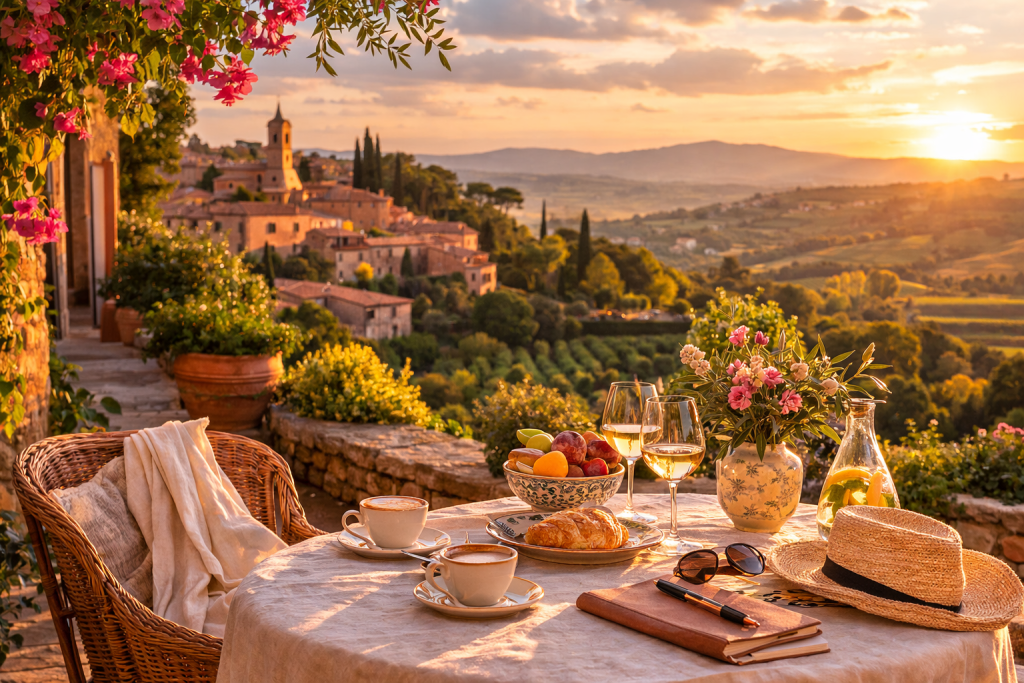
In Italy, the greatest discoveries rarely appear on an itinerary, they appear when you slow down enough to notice them.
Why Italy Is One of the Best Countries in the World for Slow Travel
Italy is best understood over time, not in a rush. While its famous landmarks may draw visitors from around the world, the true character of Italy is found in the details of everyday life, in the rhythm of a morning market, the conversations that unfold over a long lunch, and the quiet beauty of villages that have changed very little over centuries. Rushing from one destination to the next almost defeats the purpose of coming to Italy at all.
Each region of Italy feels almost like a country of its own. Landscapes, dialects, architecture, cuisine, and traditions can shift dramatically within just a few hours of travel. Because of this extraordinary diversity, Italy rewards travelers who allow themselves the time to move beyond the surface and explore places more deeply.
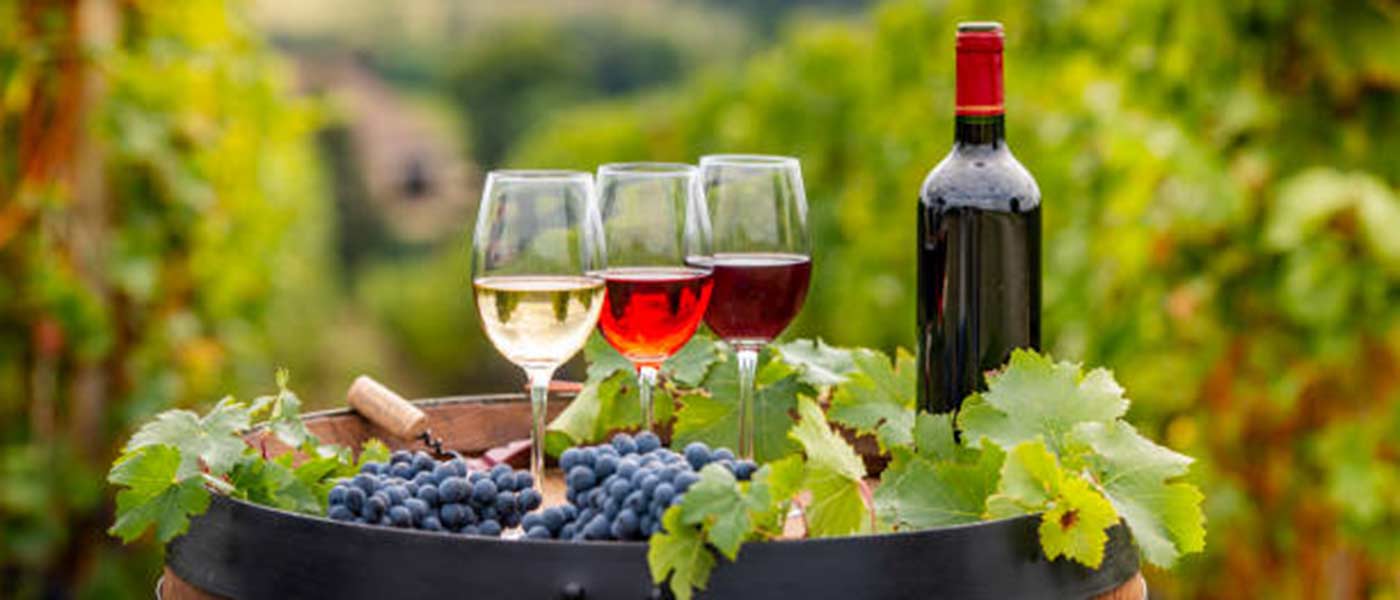
Slow travel allows visitors to experience Italy the way Italians themselves often do: lingering in a place long enough to understand its atmosphere, its people, and its traditions. Instead of racing through a checklist of destinations, travelers can settle into the countryside, explore smaller towns, meet local producers, and enjoy the subtle differences that make each region unique.
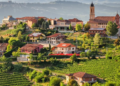
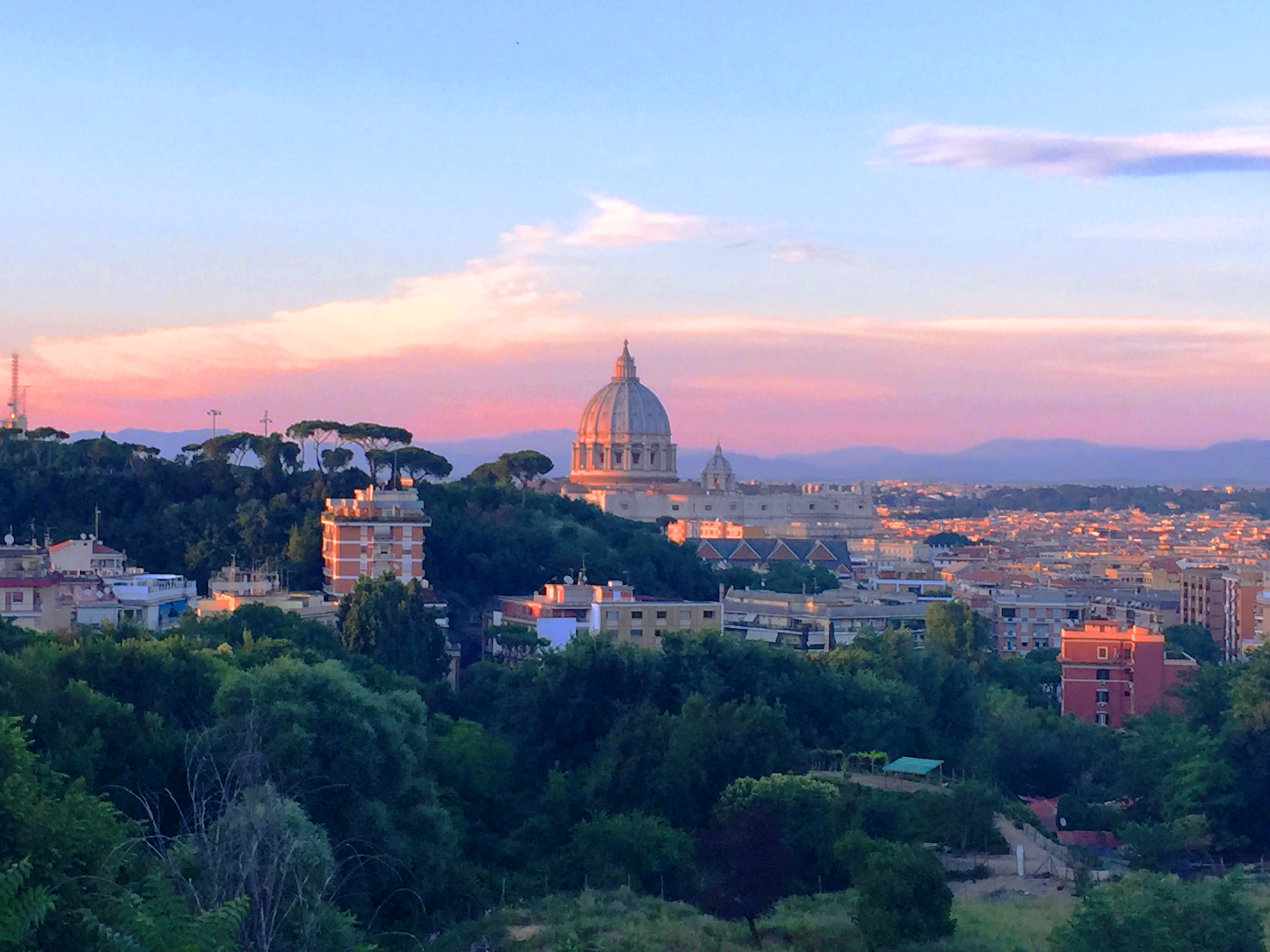
It is often in these quieter moments, driving through vineyard-covered hills, wandering through a small historic center at sunset, or sharing a meal in a family-run trattoria, that Italy becomes most memorable. For this reason, many travelers discover that slowing down not only makes a journey more relaxing, but also far more meaningful.
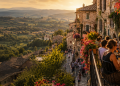
What many travelers discover, often unexpectedly, is that the most meaningful moments in Italy rarely happen while checking famous landmarks off a list. They happen in the spaces between them: a conversation with a shopkeeper in a small town, the scent of lemons in the warm air along a quiet coastal road, or an evening when the light fades slowly over a village piazza and there is nowhere else you need to be.
When you slow down in Italy, you start to notice things in the country you’d otherwise miss if you’re rushing. The experience becomes less about seeing Italy and more about feeling connected to it, to its landscapes, its people, and the rhythms of daily life that have unfolded here for centuries.
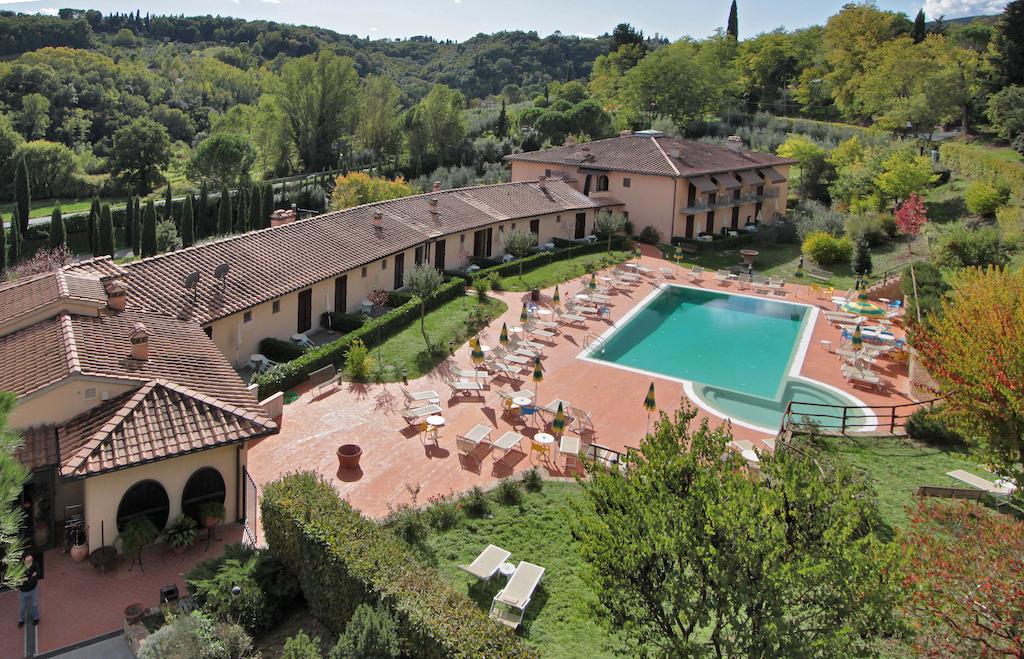
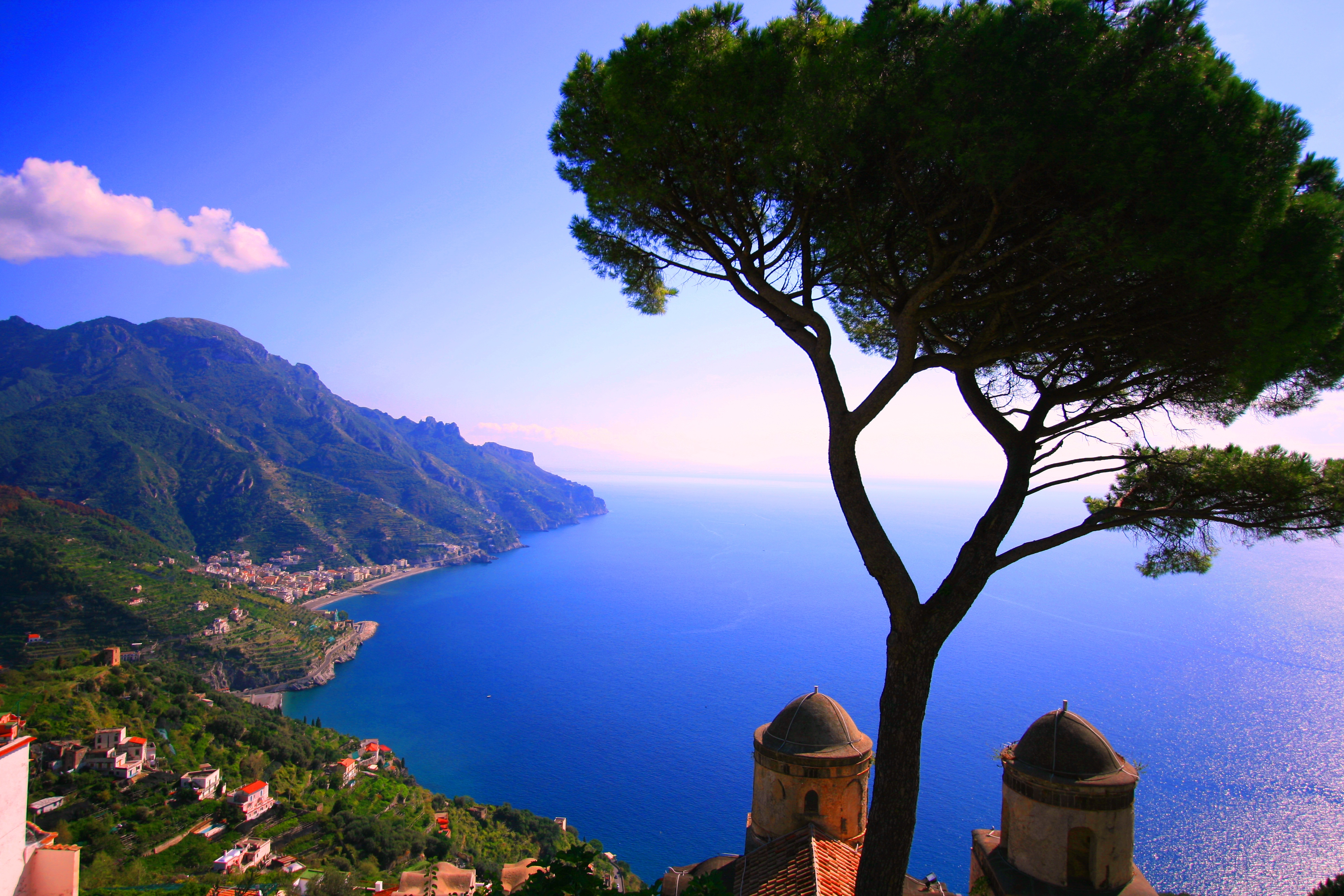
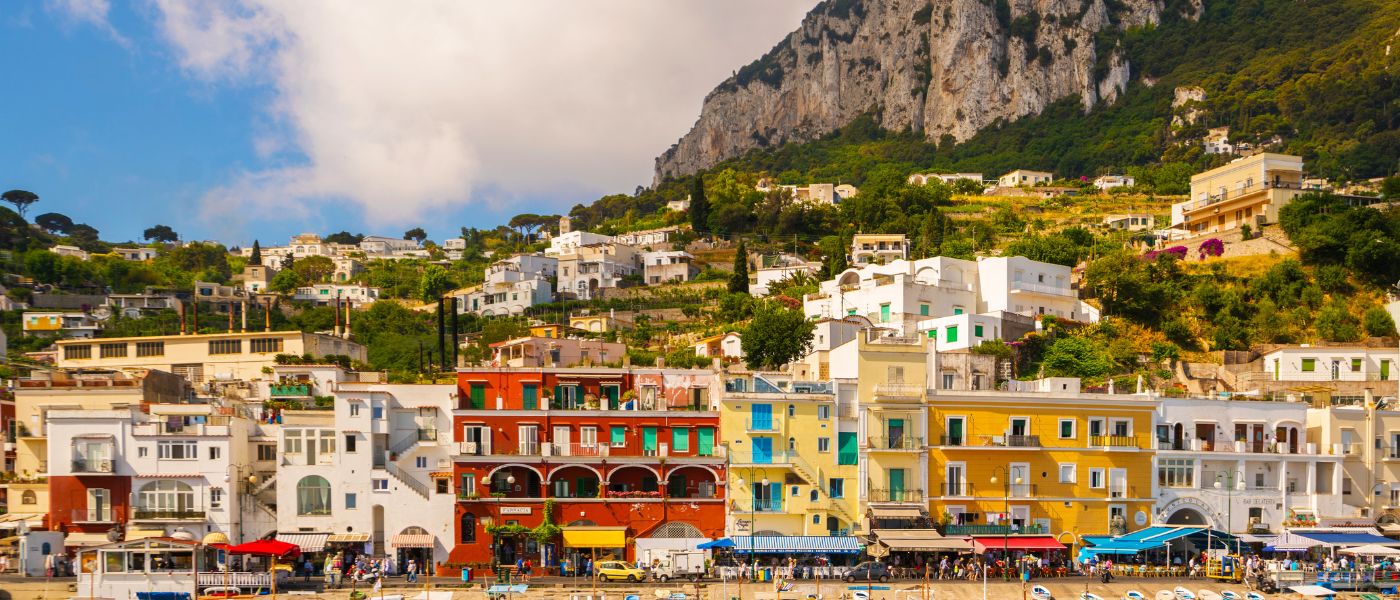
For travelers willing to embrace this slower rhythm, Italy offers an extraordinary range of places where this way of traveling feels completely natural. Beyond the well-known cities lies a vast landscape of regions where time seems to move differently: coastal villages perched above the sea, quiet countryside dotted with vineyards and olive groves, and historic towns where traditions remain deeply rooted in daily life. These are the places where slow travel becomes more than just a concept; it becomes the way Italy is truly experienced.
In the following regions, visitors can discover a side of the country that rewards curiosity, patience, and the simple pleasure of allowing a destination to unfold at its own pace. As the poet Mary Oliver once wrote, “Instructions for living a life: Pay attention. Be astonished. Tell about it.” In many ways, slow travel is simply the art of doing exactly that.
Write today to: team@italyvacationspecialists.com